A Submissive Administrative Region

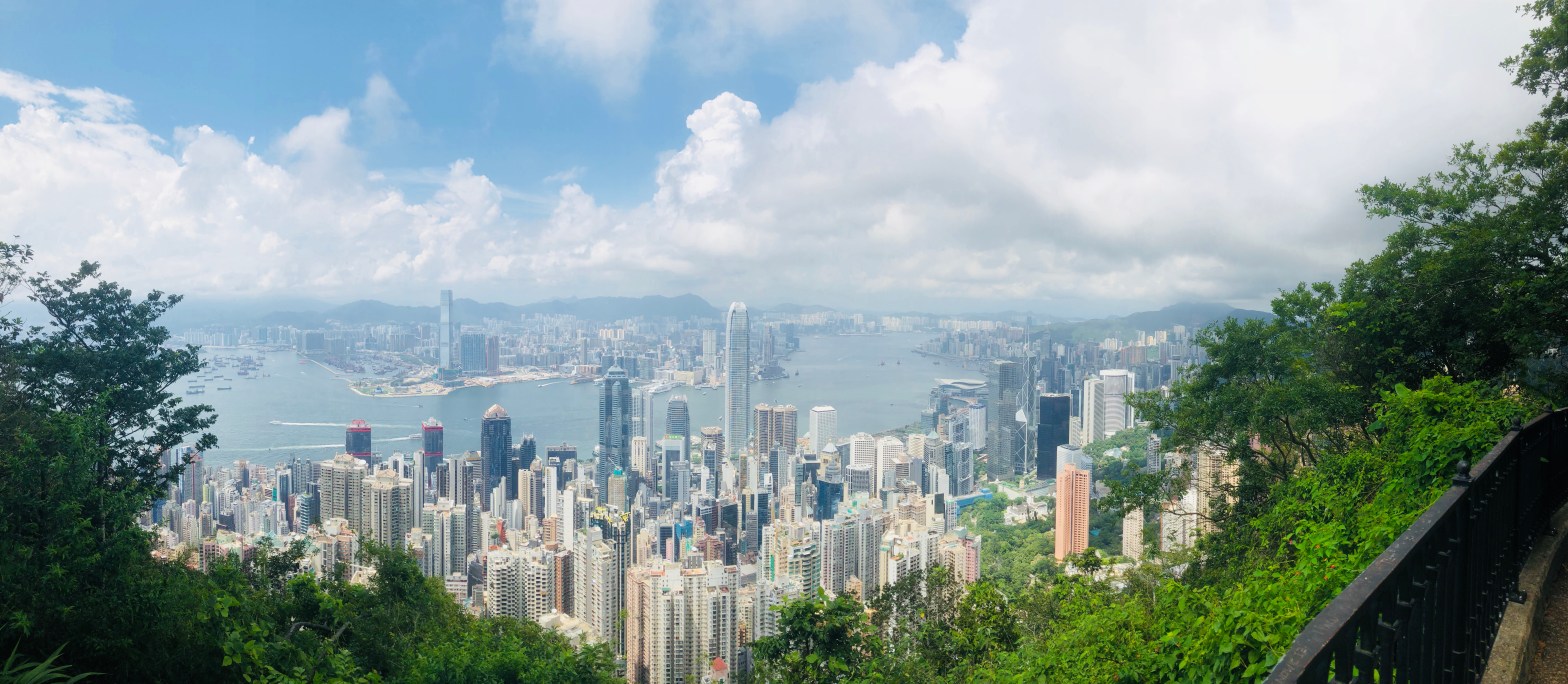
Patterns in air quality and the provision of public green spaces reflect a profoundly unequal society. In 2016, Hong Kong’s Census Reports recorded a Gini coefficient result of 0.539, well exceeding most developed economies. This represents an astonishing concentration of wealth amongst Hong Kong’s elite (Oxfam, 2016: 1). The city’s tiny and unsafe cage housing seems a world away from the luxury penthouses lining the airy Victoria Harbour, or the mansions scattered around the lush greenery of Victoria Peak. These colonial-era place names parallel ongoing power relations which benefit a wealthy and internationally mobile elite.
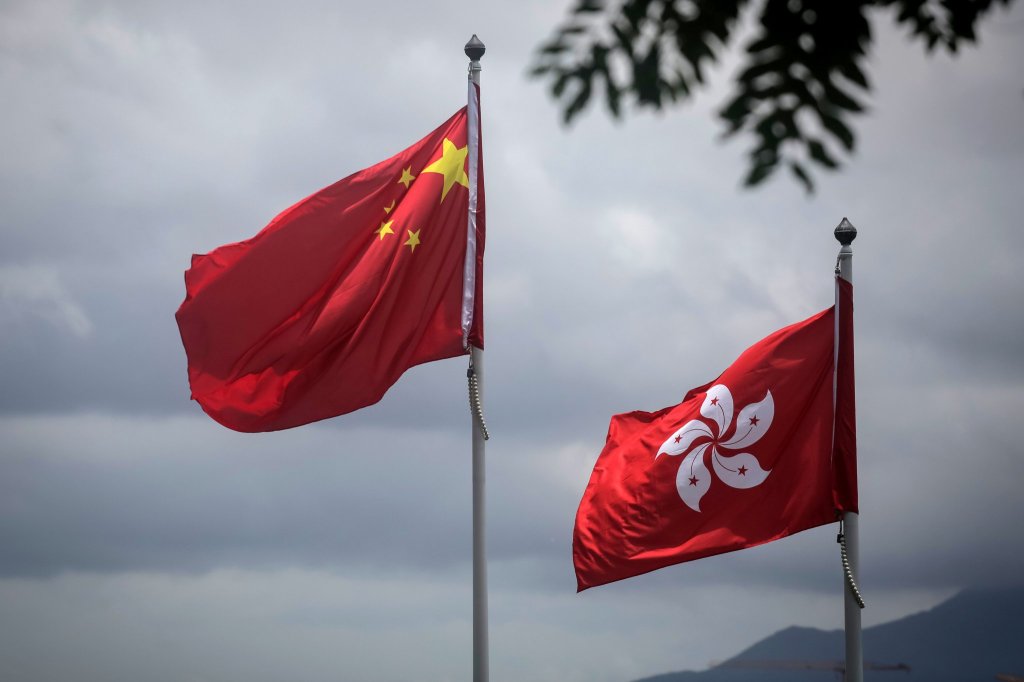
The Chinese flag flies higher than the SAR’s flag at government buildings in the city, Getty Images

Hong Kong seems perennially preoccupied with marketing itself as a welcoming global city, a destination for expatriates who might better be described as economic migrants to the tax haven. Still, as the authorities try to paint a picture of Hong Kong as an ‘ecologically secure premium enclave’ (Lee, 2013: 906), the reality is that the city’s political ecology is increasingly subject to the interests of Mainland China. The evolution of Hong Kong’s water supply arrangements expose this increased dependence, and more recently, the prioritisation of Mainland cities by the Chinese authorities as Hong Kong becomes a ‘good partner’, or indeed a subordinate to the Mainland (Civic exchange, 2017: 1).

Asia’s World City is subsumed within China

Hong Kong’s citizens are all-too-aware of these shifting power relations, as the city becomes more dependent on Mainland resources and trade. These shifting power relations underpin a contemporary crisis in the city’s Chinese identity, as pro-democracy protests and related civil unrest have rocked the city for nearly a year. The pandemic has ultimately stifled demonstrations, much to the satisfaction of Chinese authorities, who have opportunistically unveiled sweeping new ‘national security’ laws which will erode the SAR’s right to a ‘high degree of autonomy’. The move has even been described as ‘the end of Hong Kong’, and reiterates the fundamental role of urban political ecology in the life and identity of this disputed Chinese and global city, both now and into the future.  

Hong Kong’s last British Governor speaks out, arguing that China is using the pandemic to undermine the 1984 Joint Declaration

References:

Civic Exchange, ‘The Illusion of Plenty: Hong Kong’s Water Security, Working Towards Regional Water Harmony’, 2017, available at: https://civic-exchange.org/report/water2017/

Lee, Nelson L., ‘The Changing Nature of Border, Scale, and the Production of Hong Kong’s Water Supply System since 1959’, International Journal of Urban and Regional Research, Vol. 38.3, 2014, p. 903-921

Oxfam, ‘Hong Kong Inequality Report’, World Without Poverty, 2017, available at: https://www.oxfam.org.hk/tc/f/news_and_publication/16372/Oxfam_inequality%20report_Eng_FINAL.pdf

Feature Image: Hong Kong skyline from Victoria Peak, author, 2017

‘The Chinese flag flies higher than the SAR’s flag at government buildings in the city’, Vivek Prakash/Agence France-Presse, Getty Images, accessed at: https://www.nytimes.com/2019/07/03/opinion/hong-kong-protest.html
A Crisis for International Urbanism

The Covid-19 pandemic has brought cities worldwide to a standstill and looks set to reshape the way we approach urbanism in the future. Hong Kong, symbolic of density and internationalism, offers a fascinating case study of the political ecology of urban risk and resilience in a city that is no stranger to the threat posed by infectious diseases.

The trauma of SARS has long fuelled fears of future epidemics, confirmed by Covid-19

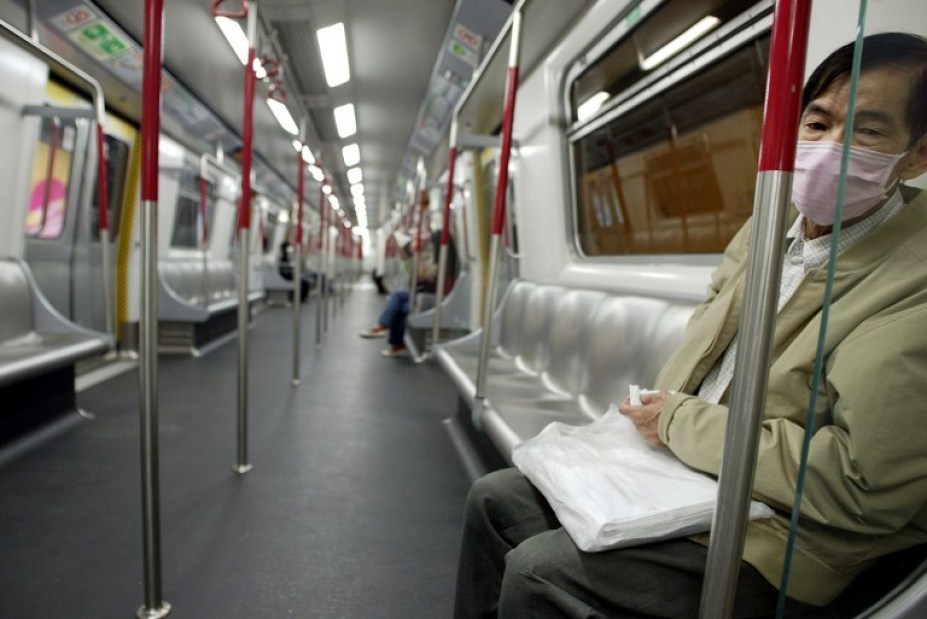
In early 2003, SARS spread from an epicentre across the border in southern China, causing 1755 infections and 298 deaths in the Hong Kong SAR. The outbreak fostered a new-found paranoia about urban density and cross-border flows. Even prior to Covid-19, the legacy of SARS was clearly evident even walking around a busy shopping mall: signs next to escalators reassuring the public that the handrails are routinely disinfected, elevator buttons covered with regularly-sanitised transparent plastic sheets, and passers-by wearing surgical masks as a matter of habit. I can recall from personal experience filling out a landing card on arrival in Hong Kong confirming I was not experiencing any flu-like symptoms, and walking past digital temperature checkers at customs. These are just a few manifestations of the way Hong Kong has already grappled with reconciling dense globalised urbanism with the threat of infectious disease.

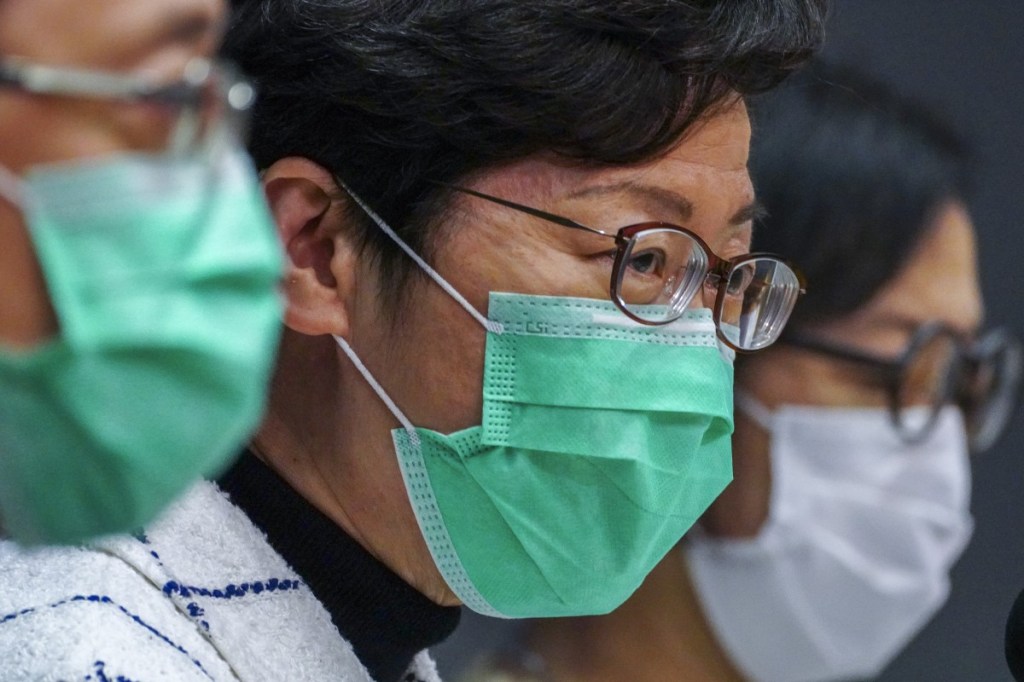
Carrie Lam at a coronavirus press briefing, Robert Ng, South China Morning Post

Hong Kong’ infectious disease protection measures sprung into action in January as the new coronavirus spread through Wuhan and Hubei Province. It is important to remember, however, that the arrival of the virus in Hong Kong followed many months of pro-democracy protests during which clashes with police and mysterious violent gangs had put the city in a state of turmoil. From early January, anti-China sentiments gained new momentum, with many calling for the – somewhat reluctant – government to close border crossings with the Mainland.

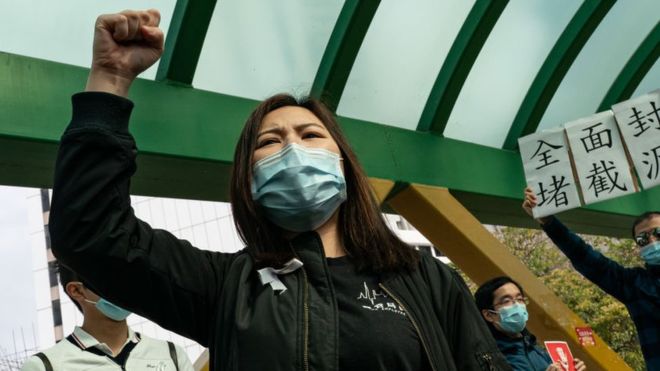
Healthcare workers went on strike to demand stricter border closures, Getty Images

In late January, the government closed busy rail and ferry links to the Mainland, whilst restricting all arrivals from Hubei, the epicentre of the outbreak. The decision was viewed by some as too little too late, with healthcare workers (a community ravaged by the SARS epidemic) striking in early February to demand a full closure of borders with the Mainland. Pressure from the central Chinese government may well have played a part in the citing of ‘logistical and business reasons’ as justification for keeping the border open. Chief Executive Carrie Lam has walked a tightrope between appeasing Mainland governmental pressure whilst responding to at times discriminatory local public sentiment.

Quarantine wristbands: the newest (mandatory) accessory for international arrivals, Sam Gellman, Twitter

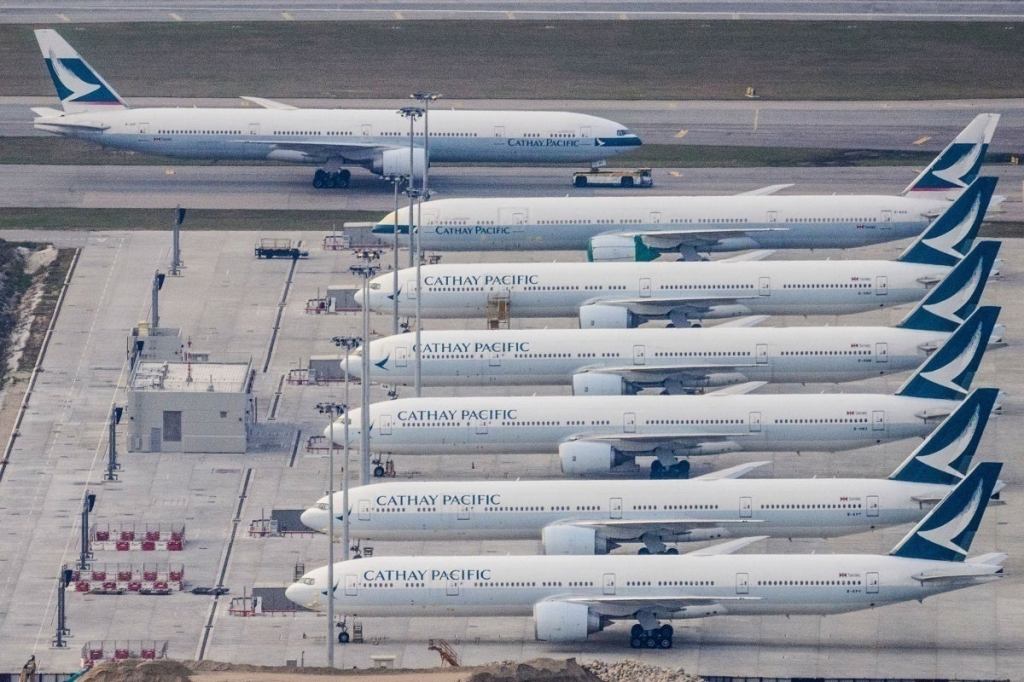
As the crisis has continued to evolve, disease prevention measures broadened to acknowledge the threat posed by international arrivals, in a renewed identity crisis for Asia’s World City. In a measure initially viewed internationally with a degree of dismay, the city introduced a mandatory 14-day quarantine for all arrivals from the 27th of January. All arrivals must first present themselves at a testing centre where they are each tested for the coronavirus, before moving into self-quarantine, closely monitored by electronic tracking bracelets and with the threat of fines or even imprisonment for breaking rules. These previously inconceivable measures have seen Hong Kong put its international identity on hold, with passenger traffic for Hong Kong’s beloved flag carrier Cathay Pacific dropping by an astonishing 99.6% in April.

Cathay Pacific has been forced to ground most of its fleet, Getty Images

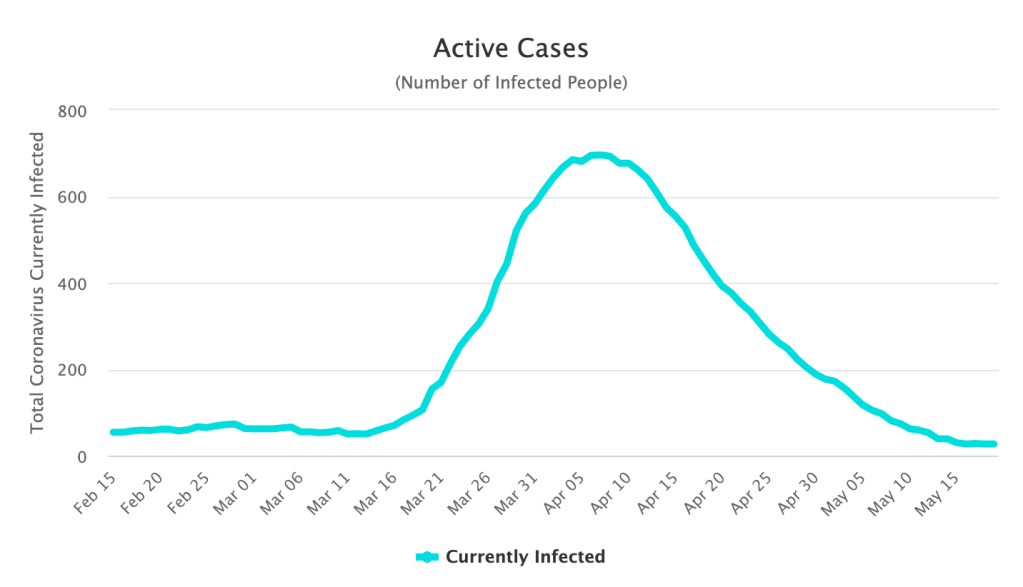
Ultimately, Hong Kong has shown extraordinary resilience, with its combination of official measures and public caution having limited the spread, with only 4 deaths recorded to date. Still, the pandemic continues to pose big questions for Hong Kong’s strained Chinese identity, and for the very concept of globalised urbanism. As the global fallout continues, Hong Kong is a city to watch as the world negotiates political interests and environmental risks in a new era for urbanism.   

Hong Kong has successfully reduced its number of active coronavirus cases, Worldometer

Sources:

Feature Image: Masked man sits on a near-empty MTR train during the SARS epidemic, Photo: Peter Parks/AFP, Accessed at Hong Kong Free Press: https://hongkongfp.com/2017/02/19/pictures-hong-kong-2003-sars-epidemic/

https://www.scmp.com/comment/opinion/article/3077275/hong-kong-fights-contain-coronavirus-carrie-lam-must-not-distance

https://www.bbc.co.uk/news/world-asia-51349154

simpleflying.com

https://www.worldometers.info/coronavirus/country/china-hong-kong-sar/

Who Benefits from HK’s Urban Green Spaces?

The wide-open green spaces of Hong Kong’s expansive Country Parks can seem a world away to residents within the oppressive concrete jungle. 7.3 million inhabitants occupy ‘a built-up area of only 24% of its total territory of 1100 square kilometres’, making for one of the most densely populated built environments in the world (Tang, 2017: 81). Space is at a premium, and green spaces within the confines of built-up parts of the territory offer approximately 3 square metres per person, compared to an average of 25 square metres per person in European cities (McCay and Lai, 2018). Such open space within the confines of the city is distributed relatively unevenly, offering another telling insight into the government’s prioritisation of the city’s image as an international destination, with characteristic disregard for the well-being of poorer residents.

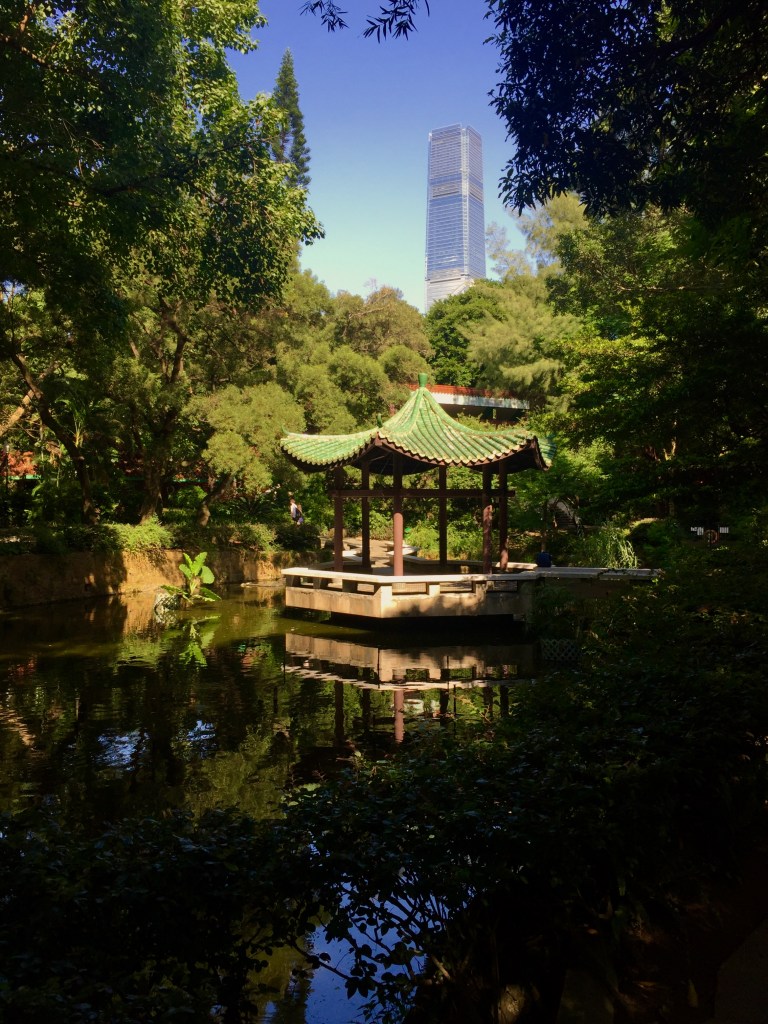
A pavilion in Kowloon Park, with the 484m ICC skyscraper in the background, 2016, Author

Stumbling upon a green space within the dense confines of the city feels like discovering an oasis within an otherwise barren urban environment. In the bustling Tsim Sha Tsui district, steps lead up from the heavily polluted Nathan Road to the elevated and surprisingly quiet Kowloon Park. Paths weave through dense greenery, leading visitors past serene ponds. The 13.3 hectare park provides ample space for running loops, feels less oppressively hot than the surrounding streets in summer, and undoubtedly helps filter often hazardous air. The park is a hub for biodiversity in both flora and fauna, and even boasts a flamboyance of flamingos which frolic freely in a large pond, with other rare bird species visible in large zoo-style enclosures. Cornered in by high-rise shopping malls, the park is an invaluable space for local people, and an evident draw for visitors. However, such parks, as is the case with Hong Kong Park and Victoria Park, are largely located in commercial and tourist hotspots.

Parks located in less prominent residential neighbourhoods are much smaller and contain far less greenery, instead focusing on providing outdoor seating for socialising or eating lunch. Around the corner from the small apartment I stayed in whilst working in Hong Kong is the Yau Ma Tei Community Centre park, appropriately named a ‘rest garden’, and particularly popular with elderly locals. A survey of the locations of open spaces ranging from larger parks to ‘rest gardens’ found that only half of these spaces are located in the vicinity of ‘high-density residential zones’, despite the fact that these zones accommodate a large ‘majority of the Hong Kong people in mass housing units’ (Tang, 2017: 88).

The Yau Ma Tei ‘Rest Garden’, popular with elderly residents

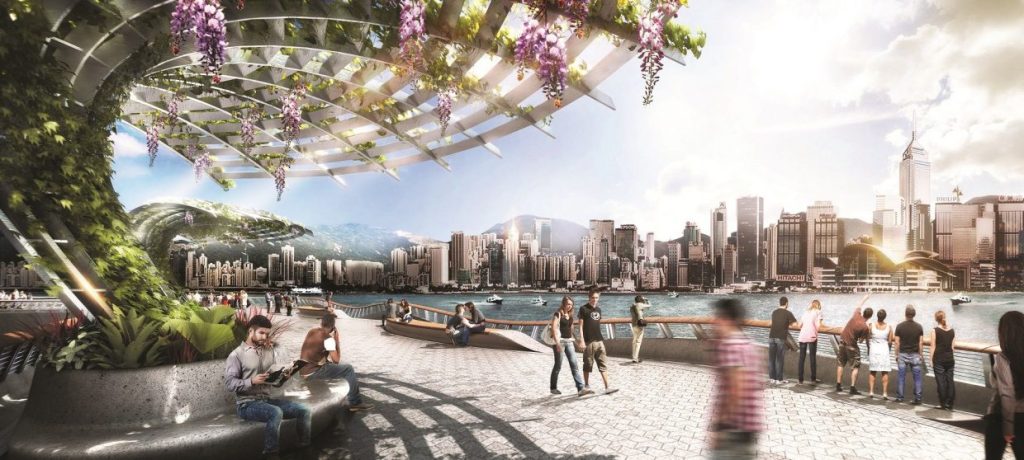
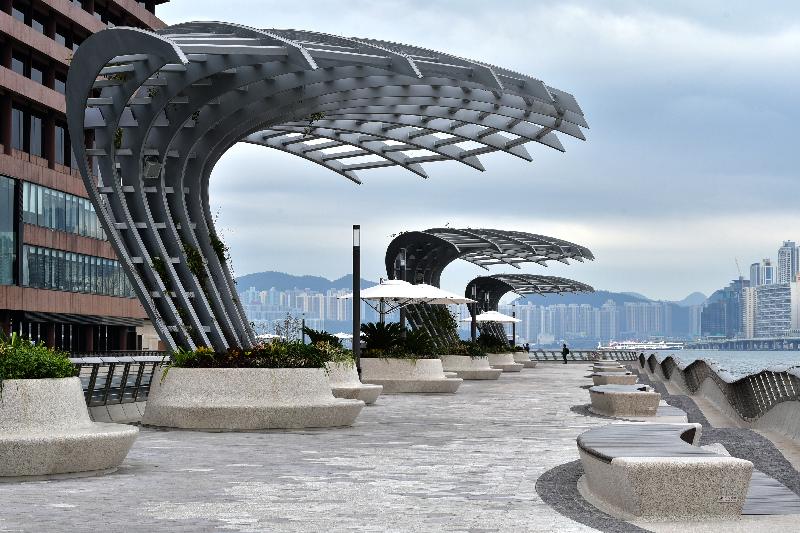
With this in mind, it becomes easier to recognise the warped patterns of distribution of open spaces in the city. Open spaces are often concentrated around ‘expensive housing zones’, and ‘especially to commercial and business zones in the main urban core’ (Tang, 2017: 88). The local government has channelled resources into the development of tourist hotspots, but Hong Kong’s infatuation with capitalism means that the planning of green spaces is increasingly being bundled up with private commercial developments. The Kowloon’s harbour-front Avenue of Stars is a flagship public space for the city. Overlooking the iconic skyline, the space has been extended and rejuvenated as part of a 2.6 billion HKD mixed-use development. A sure-fire hit with tourists, the space is likely to boost ‘place-marketing and city promotion’ in image-conscious Hong Kong (Tang, 2017: 88). Hong Kong’s eternal focus on image has resulted in a contemporary proliferation of green-veneer public spaces, which have even been termed ‘blots on the landscape’.

An artist’s impression of the Avenue of Stars, with a striking array of greenery, Jing Travel
Back to reality – a classic ‘green-veneer’ public space, The Standard

Such privatised public spaces fail to implement biodiversity strategies and fall short of offering benefits to the working people of Hong Kong, housed in far-off mass housing and cage homes. Even more concerningly, commercial developments which purport to offer public space are often attached to large land-reclamation projects which can cause untold damage on marine ecosystems – notably invisible to the tourist’s naked eye.

The waterfront ‘Art Park’ of the newly reclaimed West Kowloon Cultural District can feel eerily quiet, bordered only by the luxury shopping mall ‘Elements’, luxury investment-residential apartment buildings and newly completed cultural venues which will again cater for Hong Kong’s elite. These trends in commercial development, in West Kowloon under the guise of cultural regeneration, reassert concerns that Hong Kong’s new green spaces will actually serve to ‘deprive underprivileged communities of the right to conveniently access public space’ (Tang, 2017: 80).

A quiet – and bougie – Art Park

Sources:

McCay, L., Lai, L., ‘Urban design and mental health in Hong Kong: a city case study’, Journal of Urban Design and Mental Health, 2018: 4: 9, accessed at: https://www.urbandesignmentalhealth.com/journal4-hk-case-study.html
Tang, Bo-Sin, ‘Is the distribution of public open space in Hong Kong equitable, why not?’, Landscape and Urban Planning, 161, 2017, p.80-89

Feature Image: Green space squeezed into the dense Mong Kok district of Kowloon, 2018, Author

An artist’s impression of the Avenue of Stars, with a striking array of greenery, Jing Travel: https://jingtravel.com/hong-kong-avenue-of-stars-reopens/

Back to reality – a classic ‘green-veneer’ public space, The Standard: https://www.thestandard.com.hk/breaking-news/section/4/120991/Eco-friendly-revival-for-Avenue-of-Stars

Hong Kong’s Country Parks

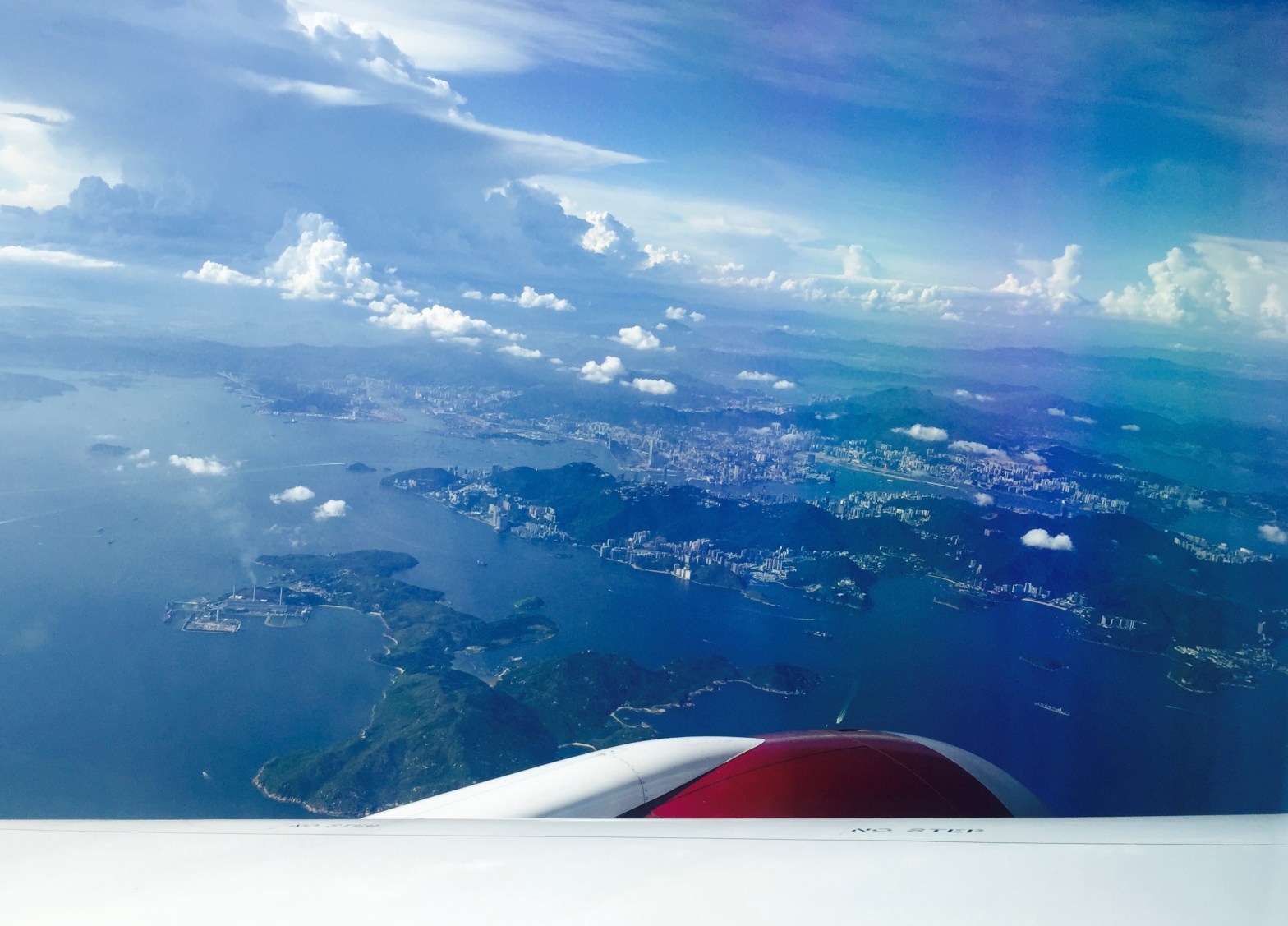
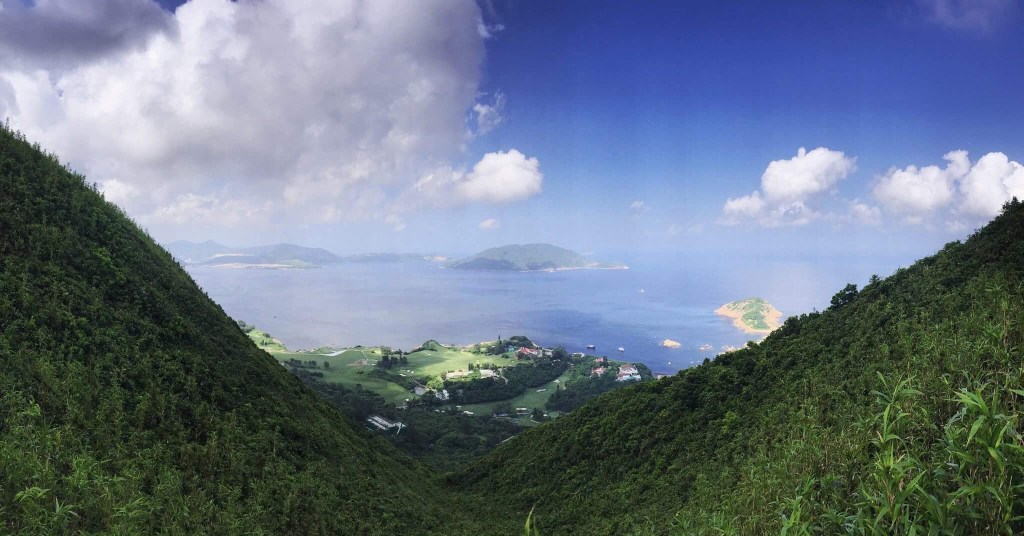
Flying low over the city on descent into Hong Kong airport several years ago, I was greeted with views of a mountainous green coastal territory punctuated by pockets of dense urban development. The city of Hong Kong covers patches of Hong Kong Island, Kowloon and the New Territories, as well as some of the 200 offshore islands which are part of the Special Administrative Region (Environment Bureau, 2016: 6). Overall, 70% of Hong Kong is green. Listed by the Telegraph as one of ‘the most unlikely green spaces around the world’, the proliferation of greenery in Hong Kong may seem counterintuitive in one of the most densely populated cities in the world, but ultimately represents a significant success in urban planning policy and environmental and social wellbeing, supporting the city’s alluring international image.

Map showing the distribution of country parks and conservation areas in Hong Kong SAR, Environment Bureau, 2016

Hong Kong’s green space is haven for biodiversity. 26 Country Parks dating back to the 1970s make up 40% of Hong Kong’s area, and the city is correspondingly ‘ranked fifth among world economies for share of territorial area under protection’ (Environment Bureau, 2016: 15). Hong Kong’s protected areas are home to 98% of the territory’s terrestrial wildlife (Environment Bureau, 2016: 15). This includes 540 bird species, a third of the range of species in the whole of China, as well as endangered species including the Chinese Pangolin, and 2100 species native to Hong Kong. However, in the landscape of political ecology, endearing biodiversity figures are not enough to win over land-hungry property developers in one of the world’s most expensive real estate markets.

Here, it is important to explore the tangible benefits of green space for the built-up areas of the territory. Firstly, green space surrounding pockets of developed land in Hong Kong work to mitigate against the urban heat island effect (Sun and Chen, 2017: 38). Extensive green areas also act as ‘lungs’, mitigating against Hong Kong’s perennial air pollution problem, whilst greenery reduces potentially hazardous rainwater runoff. Of particular importance is vegetation’s role in protecting against landslips, a very real risk as urban development has encroached on ‘increasingly steep slopes’ (Jim, 1989: 176). Vegetation is a key strategy in the city’s Landslip and Mitigation Programme (Environment Bureau, 2016: 28), demonstrating the profound importance of green space for the physical resilience of the built environment.

A panoramic view from my hike on the popular Dragon’s Back Trail, Author, 2016

Physically tangible benefits give way to a multitude of social benefits which crucially underpin Hong Kong’s proposition as a vibrant global city. Hiking trails are an attraction for locals and visitors alike, contributing to annual country park visitor numbers in excess of 11 million. Hiking trails include the 100km MacLehose Trail in the New Territories, as well as the 50km Hong Kong Island Trail and stunning Dragon’s Back Trail (pictured). Whilst promoting physical health, recreational activities represent an opportunity for community building. This is exemplified in the ‘Out in HK’ community group. This LGBT+ network frequently plans night time hiking trips which it advertises on social media. These small group hikes demonstrate the social benefits of Hong Kong’s extensive green space. Further to this, conservation areas are an invaluable educational resource, with nearly 400,000 young people benefiting from educational activities focused on biodiversity each year.

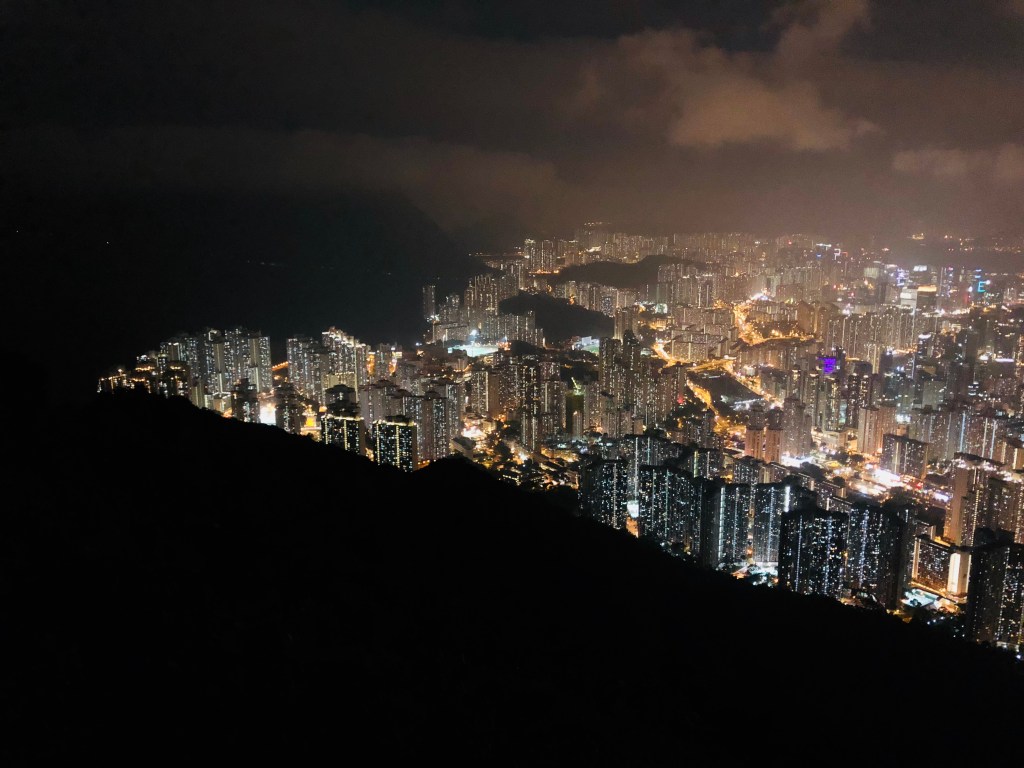
The striking divide between Hong Kong’s high-rise built environment and mountainous green space, viewed from Lion Rock, Author, 2016

The intrinsic advantages of a city rich in green space have helped debunk arguments from property developers wishing to open up land for housing construction. Whilst developers have argued that greenfield developments are key to solving the affordable housing shortage, research suggests that the sale of government controlled land would have minimal impact on house prices (Li et al, 2015: 981), whilst sacrificing a multitude of benefits represented by Hong Kong’s green space. In 2014, Architect Keith Griffith’s argued that ‘our livelihood, our comfort and happiness is more important than looking at some trees.’ His words fly in the face of clear evidence of the environmental and socio-economic advantages of of Hong Kong’s green space, which the government appears to have acknowledged in its 2017 promise to protect country parks from development. The preservation of Hong Kong’s Country Parks is a planning success story, but in a city characterised by a roaring private real estate market, their survival should by no means be taken for granted.

References:

Environment Bureau, ‘Hong Kong Biodiversity Strategy and Action Plan for 2016-2021’, 2016, accessed at: https://www.afcd.gov.hk/english/conservation/Con_hkbsap/files/HKBSAP_ENG_2.pdf;

Jim, ‘The Distribution and Configuration of Tree Cover in Urban Hong Kong’, GeoJournal, Vol.18, Issue 2, p. 175-188, 1989;

Li, LH, Wong, KKW, Cheung, KS, ‘Land supply and housing prices in Hong Kong: The political economy of urban land policy’, Evironment and Planning C: Government and Policy, vol. 34, 2016, p.981-998; and

Sun and Chen, ‘Effects of green space dynamics on urban heat islands: mitigation and diversification’, Ecosystem Services, Vol. 23, p.38-46, 2017, accessed at: https://www.sciencedirect.com/science/article/abs/pii/S2212041616301772

Feature Image: Aerial View of Hong Kong, with Lamma Island at the bottom left, Hong Kong island in the middle-right and Kowloon and the New Territories above, Author, 2016

COVID-19 Outbreak: A Time to Rethink our Urban Development Model and More

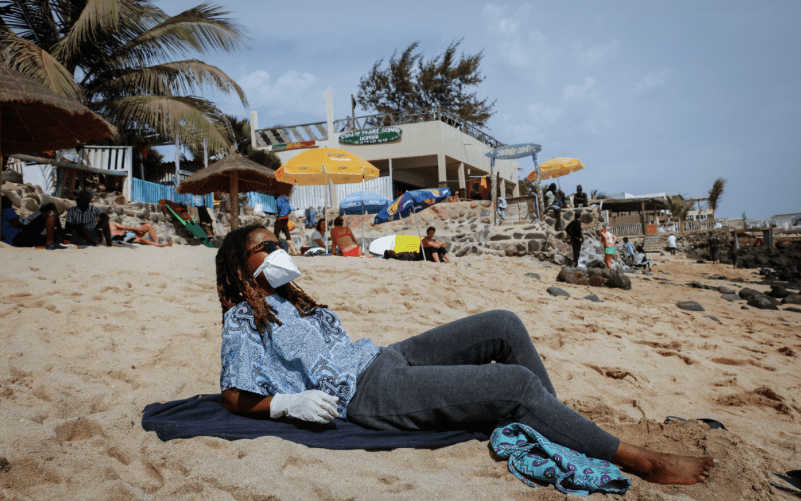
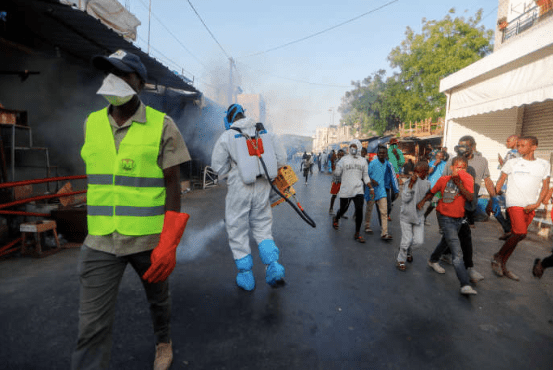
COVID-19 epidemic has been disrupting the entire human world, starting with China in December and now increasingly affecting Africa. Senegal is one of dozen African countries that has been hit by the virus with 1182 people infected and 9 deaths since March 2.

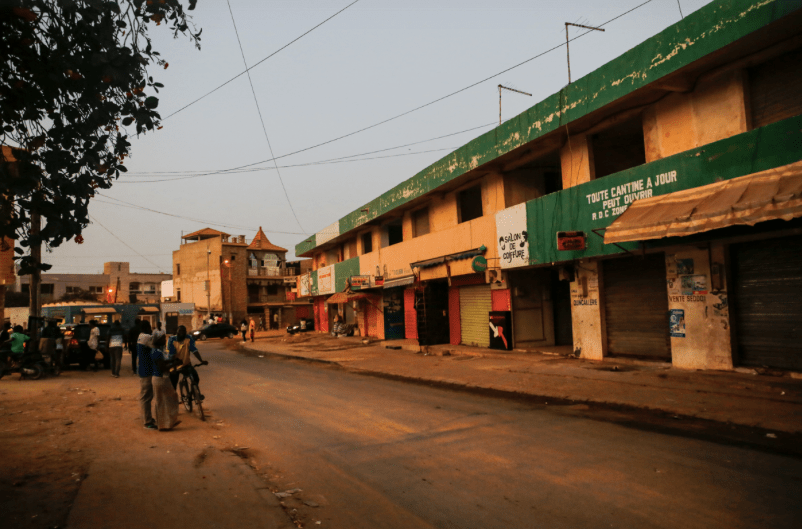
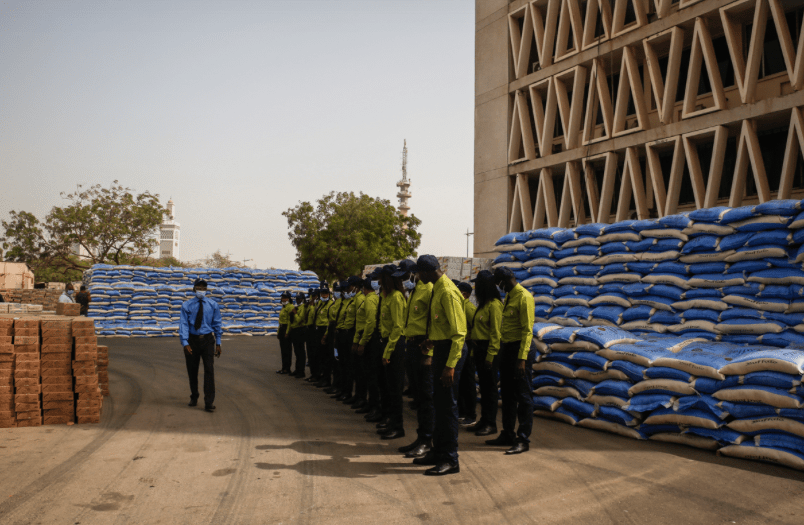
To cope with the pandemic, Senegal’s President Macky Sall declared a state of health emergency impacting all the country. This measure means that the country, as many others, is now slowing down with no circulation between its regions and cities, while its frontiers, schools, restaurants and hotels are closed.


Although there is a night curfew and social distancing measures have been taken during the day, the government decided not to be more radical like in many European countries or South Africa. And for good reasons.


In Senegal or any other country where economic and social conditions are similar, a total lockdown would be impossible to implement and we saw it with India where many urban dwellers fled to the countryside hoping they could feed themselves more easily.


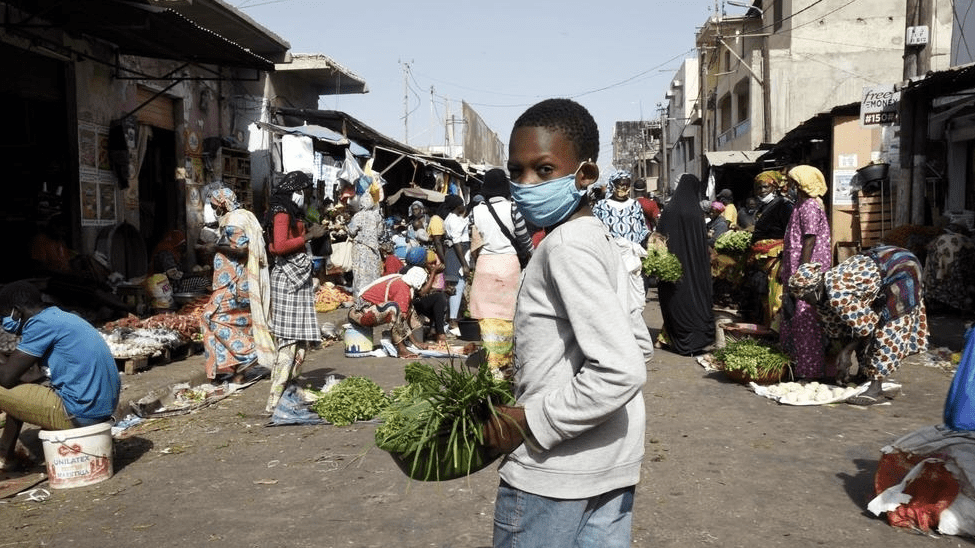
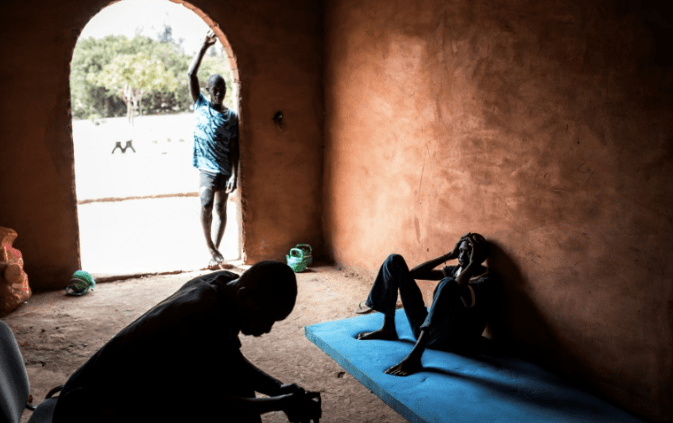
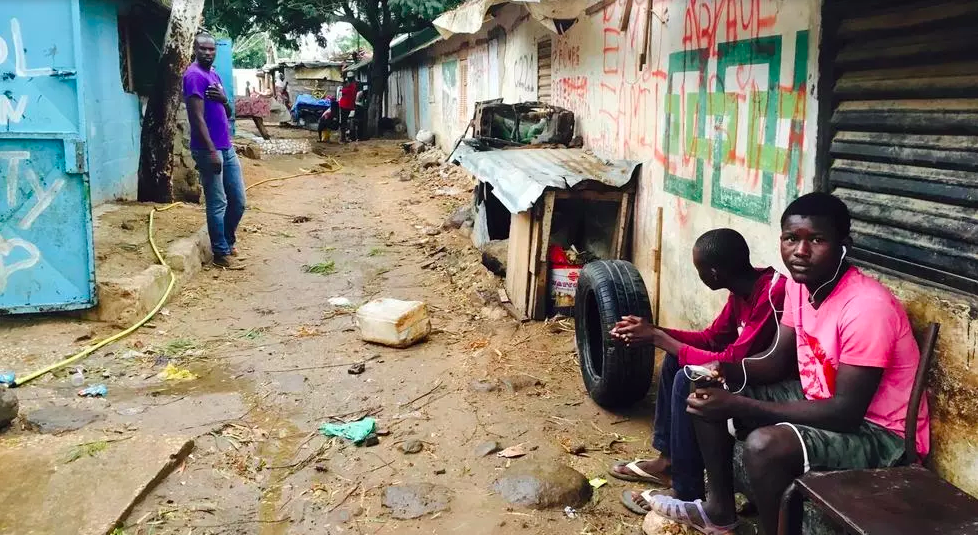
Like in India, a large part of the Senegalese population, and even more in Dakar, lives one day at a time and needs to be out there to survive. Such a radical lockdown would deprive too many people of revenues and leave them to die. Many people already found themselves in precarious situations, especially the ones living in the streets who are chased away by the police at night while their source of living diminished if not disappeared.


Moreover, would a total lockdown be sufficiently efficient in urban contexts with poor sanitary conditions, promiscuity between and within households, lack of supply such as electricity or refrigerators for many?


Although there is no indication of an outbreak in Senegal, the number of positive cases continues to regularly increase and a lot of uncertainty remains. Even if the Senegalese healthcare system is on average better than in many West African countries, it would not be able to face more than it already does, especially in Dakar’s major hospitals. This crisis only highlights the weaknesses of many health systems and even more in West Africa where people are still dying from curable diseases because of health workers shortfalls and medical equipment shortages. Moreover, socio-spatial inequalities remain in Dakar with people suffering from a double burden: low-income and poor healthcare accessibility (Ndonky et al., 2015).

To finish this blog on an other positive note, can we say this pandemic is kind of a last resort way for nature to warn us? Not only we need nature to live but by destroying natural ecosystems, to which we all belong, we hurt ourselves in the most extreme ways, including by favouring diseases introduction among human societies. But what is also highlighted by this plague is the greatly problematic urban development which promotes its spread and makes it difficult to tackle without adverse socioeconomic effects. Even if it is far from being the first epidemic of this magnitude in human history, we can only hope that the exceptional media coverage and the global disruption will serve as a wake-up call for most. But nothing could be less certain.


Toward a More Sustainable Urban Way of Farming in Dakar?

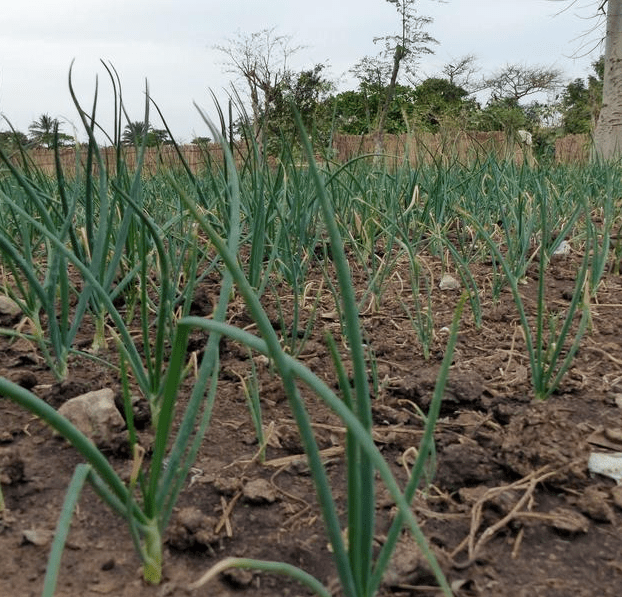
Urban farming needs a radical change not only in the way it is valued but also in the way it is done. Indeed, because of the fierce competition over resources and their precarious land tenure, Dakar Region’s farmers have less and less land and water to farm and therefore feel time is running out for them.

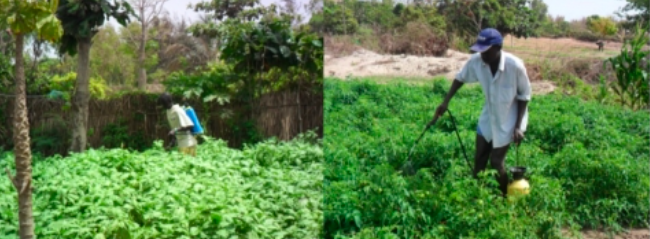
They consequently seek to improve productivity to meet the soaring demand and mobilise low capital investments by using wastewater, pesticides, organic manure or sewage sludge. These practices inevitably have strong negative impacts on human and environmental health (Fall, 2001).

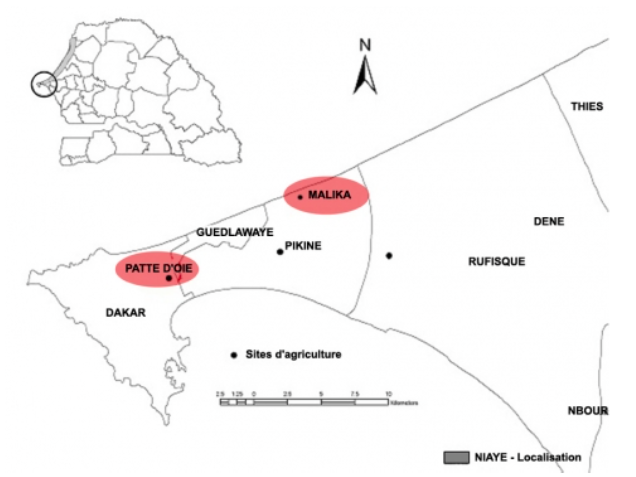
In Patte d’Oie and Malika areas, the increased use of grey water, pesticides and sewage sludge contributes to crops, soil and groundwater (main source of water for agriculture) pollution which affects all the Niayes zone. In Dakar’s area, soil organochlorine contamination due to pesticides is, on average, higher than the WHO standard (Ba et al., 2016).


Besides, wastewater and sewage sludge would be viable alternative sources of irrigation only if they were treated and cleaned of their pathogens and toxic elements before use since they contain nutrients (nitrogen, phosphorus, potassium) which are particularly efficient to fertilise crops (Ndiaye et al., 2010).


Recognising the risk and potential of wastewater, the WHO has developed treatment guidelines for safe reuse. But these complex treatment systems may be impossible to finance and maintain for poor communities that could only deal with cheap and natural systems. The one developed by local researchers in Rufisque and supported by the IDRC which uses aquatic lettuce could do (Redwood, 2003). Rainwater retention as well could partially answer the great need for water in a more sustainable way but, as the region is pretty dry, it would be a very limited solution.

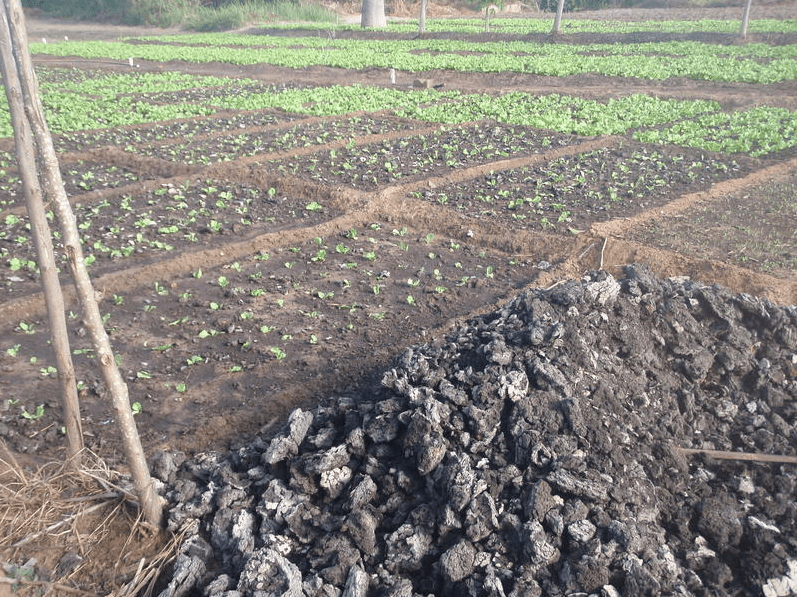
As for the widespread use of organic fertiliser in Dakar Region, that can appear as a sustainable way to farm, it is in fact a source of adverse effects. Organic manure, such as poultry manure, actually involves risks of pathogens and trace metals contamination for groundwater and thus for the population.


To improve the sustainability of farming activities, organic waste use should be more diversified and focused on the least dangerous organic matter (such as horse dung), while inputs should be adjusted according to specific crops (Hodomihou et al., 2016).

However, farmers in Dakar Region are not only concerned about income and environment but also about the fragile stability of local agricultural organisation (Zelem, 2011). They often fear to disturb interconnections between different actors by introducing new types of inputs and rationally prefer to ensure the preservation of subsistance agriculture allowing local communities to survive (Moyo et al., 2015). 

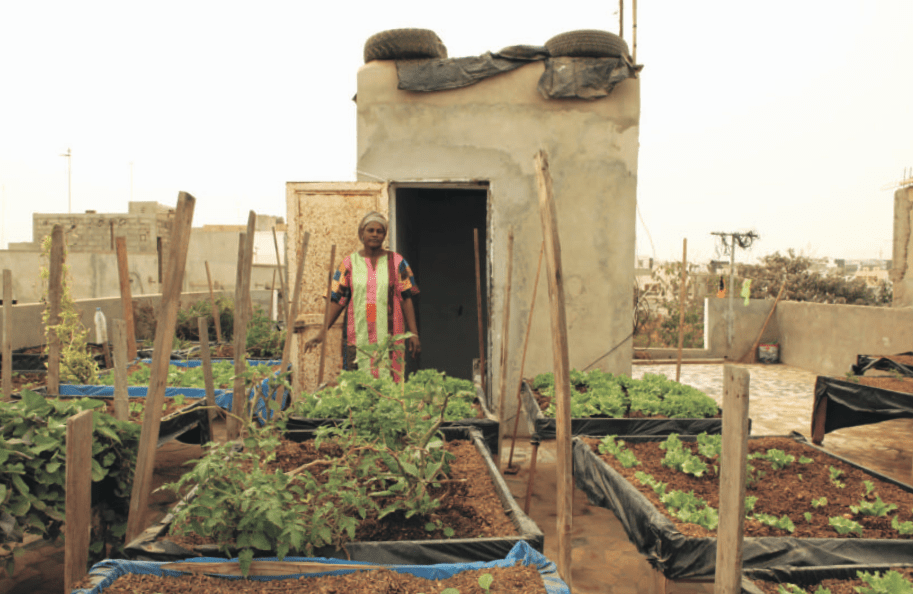
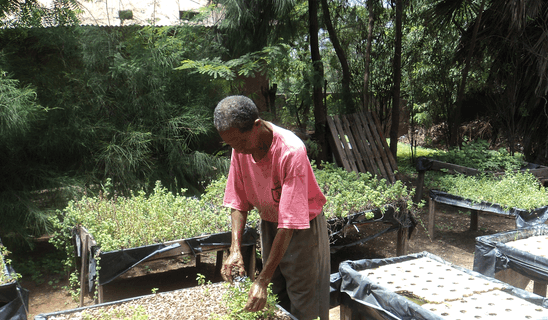
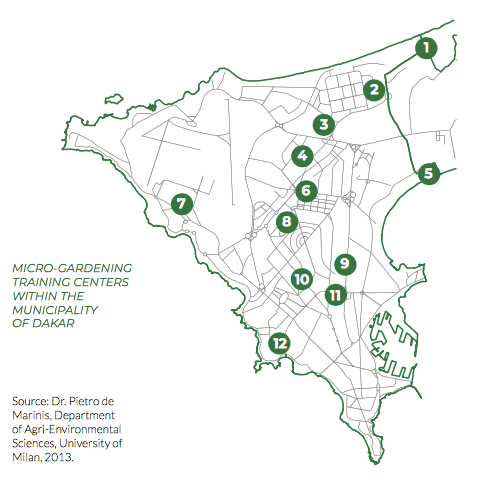
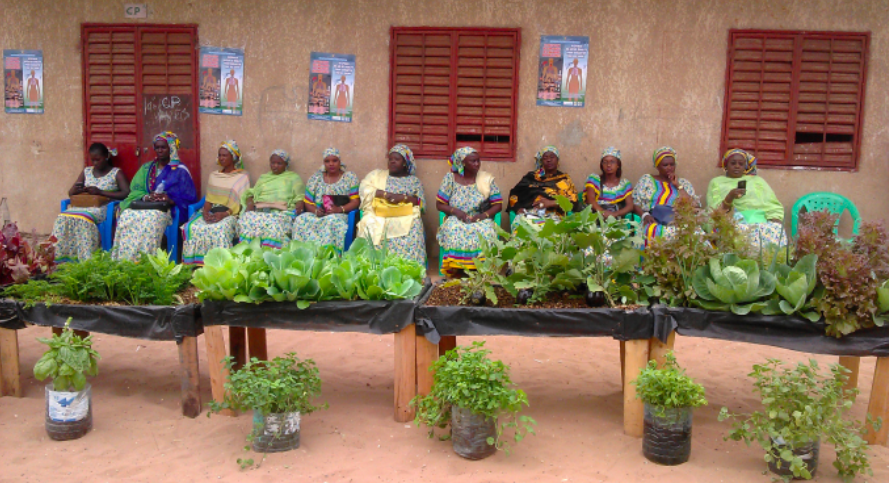
In front of all these numerous issues, especially the reduction of available arable land, many Dakar residents developed an other kind of urban agriculture by creating micro-gardens in the remaining spaces of the city. This “outside the ground” way to produce vegetables in small spaces can be implemented almost everywhere and usually exploits recycled materials (FAO, 2010).


Some gardens are cultivated for home consumption, others for sale and frequently both. This farming practice seems to be a cheap way to produce food with high nutritional values and without health dangers since no pesticides are used.


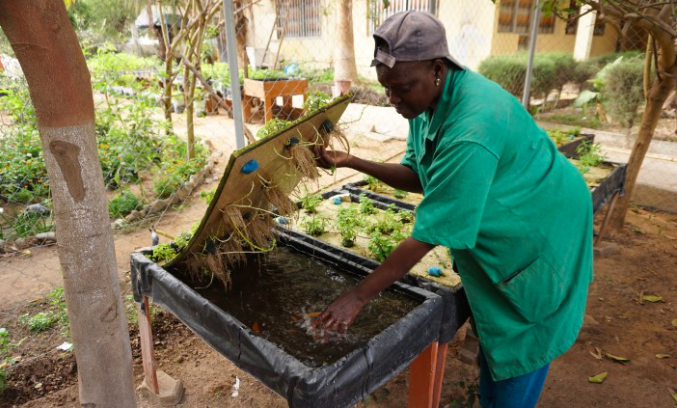
Micro-gardening in Dakar typically consists of gardening directly on the market tables and allows vulnerable people (women, elderly, etc.) to empower themselves since it requires little physical effort (MUFPP, 2018).


This practice uses very little water, while the surplus is recovered and reused. Micro-gardening therefore appears as an example of circular economy through which healthy food is sustainably produced while waste is recycled. 

In a nutshell, though risks and challenges exist, well-managed urban farming enables to tackle several socioeconomic issues but also environmental ones. Micro-gardening can substantially contribute to waste recycling (which is of particular relevance regarding the key challenge of city waste management), increased biodiversity, carbon sequestration and thus climate change mitigation (Lwasa et al., 2015). Moreover, urban greening is also known to boost human well-being at both physical (pollution reduction) and psychological levels (Ackerman, 2006). Everything indicates that the micro-gardens model deserves serious attention and investment.

Toward the End of Urban Farming in Dakar?

Considered by many as a symbol of good governance in a struggling region, Senegal, through its capital, regularly hosts international conferences and benefits from various money lenders. Yet, among other things, its urban development is far from being uncritical.

Like most growing sub-Saharan African cities, Dakar faces runaway population growth which results in substantial levels of poverty and food insecurity, exacerbated by Sahelian climate conditions. These issues are partially met by urban and peri-urban farms that feed and employ Dakar’s residents.
Made up of fertile soil, the Niayes Valley provides Senegal with 80% of its horticultural products and constitutes Dakar’s main source of food thanks to its proximity (Diop, 2019). Moreover, urban agriculture is a source of income for 26% of Dakar’s population (Ba et al., 2016).


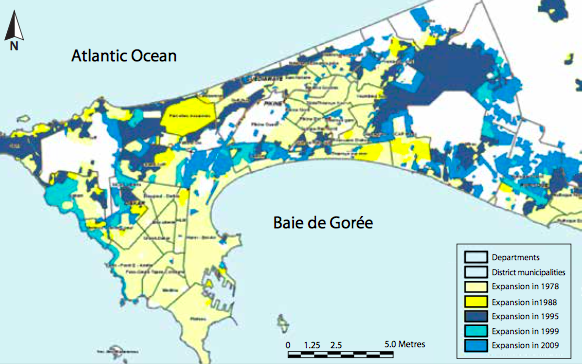
Although locally grown food importance is crucial, urban farms “are being consumed by the city itself” (Bair, 2012). This rapid urban expansion increases demand not only for products but also for lands, resulting in intensive construction.


As Dakar’s population has increased, so have its rents leading to high land values for which “agriculture could never match housing development for financial returns” (Bair, 2012). Besides, farmers broadly lack secure land tenure (Zelem, 2011) with widespread sharecropping practice facilitating expropriations (Ba et al., 2016).
Despite the 1964 Land Law that aimed “to redress colonial legacies” by enabling Senegalese citizens to access land, neoliberal reforms have continued since 2000 (Brown, 2015). Urban political struggles related to “the proliferation of middle-class and elite housing estates” are leading to many land conflicts in Dakar Region (List, 2017).


These usually result in land grabs at the expense of urban farmers, producing new urban inequalities. Government officials and urban developers typically advance new housing projects and deny property rights applications from farmers in order “to reframe Dakar as a ‘world-class’ city” and thus attract foreign capital (List, 2017). These efforts to become a model of ‘Africa rising’ which are translated into housing construction privatisation to block developing informal housing were supported by international actors such as the World Bank.
Even if farmers fought hard against this ‘speculative urbanism’ to protect their land and obtained a law restricting construction (PASDUNE) within the valley in 2002, many Niayes farmlands have been replaced by housing and infrastructure that come with it, but also business parks, golf courses, arenas, etc. This “poor enforcement of land-use planning regulations” (UNEP, 2014) further marginalised urban agriculture.


Furthermore, urban farming in Dakar Region is also constrained by a lack of water supply due to rainfall deficits and above all demographic growth. 80% of Dakar’s urban farmers face water distribution shortages (Redwood, 2003) that can be up to 162.000 cubic meters per day, but also salinisation processes because of excessive pumping of its main water source (Ba et al., 2016).

In a nutshell, urban agriculture in Dakar Region has a significant role in poverty alleviation, food security, livelihood and employment, particularly for the urban poor.
Nonetheless, urbanisation is rashly occurring and translates into conflicts over resources which are becoming more scarce (FAO, 2010), threatening urban agriculture which offers both socio-economical and environmental benefits if well though out.

To be continued…

A Watershed: The Erosion of HK’s Ecological Security

The 1984 Joint Declaration laid out Hong Kong’s future as a Special Administrative Region of the PRC, governed under the One Country, Two Systems policy, post-1997, and retaining a high degree of autonomy. The agreement can be seen as a watershed, after which, Hong Kong became increasingly dependent on Mainland Chinese water resources, surrendering its hard-won self-sufficiency as it submitted to a process of ‘reunification through water’ (Cheung, 2014). Often inaccurately described as a city-state, Hong Kong’s overreliance on Mainland water today has come to undermine its credentials as an ‘ecologically secure premium enclave’ (Lee, 2013: 906), threatening its autonomy as a so-called global city separate from the Chinese Mainland. Water is thereby coming to highlight the ecological and political dependence of Hong Kong on the Mainland.

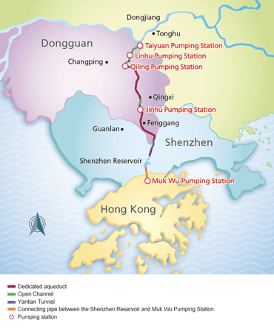
Water from the Dongjiang is routed through Dongguan and Shenzhen to HK , HKWSD

The expensive consolidation of Hong Kong’s local water supply capacity up to the 1980s had resulted in water becoming a significant ‘bulk item’ in the city’s annual budget (Lee, 2013: 913). Having acknowledged in 1984 that Hong Kong would be returned to Chinese control by 1997, there was little reason for the British authorities to turn down the offer of cheaper water from the Mainland. In 1985 Chinese water supply to Hong Kong accordingly came to exceed to total local supply (Lee, 2014: 916). Observing Hong Kong’s strategic importance for China’s economy, Chinese officials were eager to offer cheap Dongjiang water in order to leverage power over the city in what has been described as an explicitly ‘bio-political’ effort (Cheung, 2014: 1013). The favourable prices offered to Hong Kong ensured that over the years the city would become increasingly dependent on Mainland supplies, by 2017 relying on China for 80% of its water supply.

The importance of Dongjiang water to HK

However, the political and economic backdrop to this supply arrangement has changed drastically with the emergent economic importance of cities such as Shenzhen, Dongguan and Guangzhou across the border from Hong Kong in the Pearl River Delta. With these cities also relying on Dongjiang water, Hong Kong’s bargaining power has drastically shrunk (Lee, 2013: 915). It is within this context that water supply arrangements have significantly eroded Hong Kong’s supposed autonomy. The city is now locked into a ‘package lump sum deal’ which sees the government pay for a set annual supply ceiling, regardless of whether or not it consumes that much water. HK now pays 3.3 times more for Dongjiang water than the adjacent cities of Shenzhen or Dongguan, despite using less water (Civic Exchange, 2017: 4). HK now pays HK$4.22 billion annually, up from HK$2.5 billion in 2008. A report by the Civic Exchange thinktank in 2017, entitled ‘The Illusion of Plenty’, details how domestic water rates have remained unchanged since 1995, resulting in Hong Kong households having some of the cheapest water bills in the world, whilst the Water Supplies Department runs an annual budget deficit of HK$1 billion (2017: 7). If household bills were to be brought in line with actual supply costs, household water bills would likely more than double.

Opposing tariff increases which may adversely impact poorer households, the local government has approved the construction of the Tseun Kwan O desalination plant, a HK$7.7 billion project that will meet only 5% of potable water demand when it opens. Increasing expenditure on water supply seems counterintuitive given Hong Kong’s wasteful attitude towards the resource. The HKWSD’s failure to adopt new technologies and properly maintain pipes allows nearly a third of freshwater supplies to be unaccounted for, representing a HK$1.35 billion annual revenue hit (Civic Exchange, 2017: 5). Moreover, between 1998 and 2015, per capita daily water consumption in Hong Kong rose from 190 to 220 litres, whilst Singapore’s consumption decreased from 160 to 150 litres.

A water-saving campaign that might not quite save the day

We should, however, be cautious to compare Hong Kong with an independent city-state like Singapore. Hong Kong’s depleted ecological security is emblematic of its changing political identity, and the erosion of the kind of independence held by Singapore. China has leveraged water from the Dongjiang as a tool to reintegrate Hong Kong with the Mainland, as a subordinate. This process, exacerbated by the (possibly willing) mismanagement of local water supplies, has undermined Hong Kong’s aspirations as an ecologically secure global city, reshaping Hong Kong’s identity as an international financial hub that is ultimately dependent on Mainland China.

References:

Cheung, Siu-Kaung, ‘Reunification through Water and Food: The Other Battle for Lives and Bodies in China’s Hong Kong Policy’, The China Quarterly, 2014, p. 1012-1032

Civic Exchange, ‘The Illusion of Plenty: Hong Kong’s Water Security, Working Towards Regional Water Harmony’, 2017, available at: https://civic-exchange.org/report/water2017/

Lee, Nelson L., ‘The Changing Nature of Border, Scale, and the Production of Hong Kong’s Water Supply System since 1959’, International Journal of Urban and Regional Research, Vol. 38.3, 2014, p. 903-921

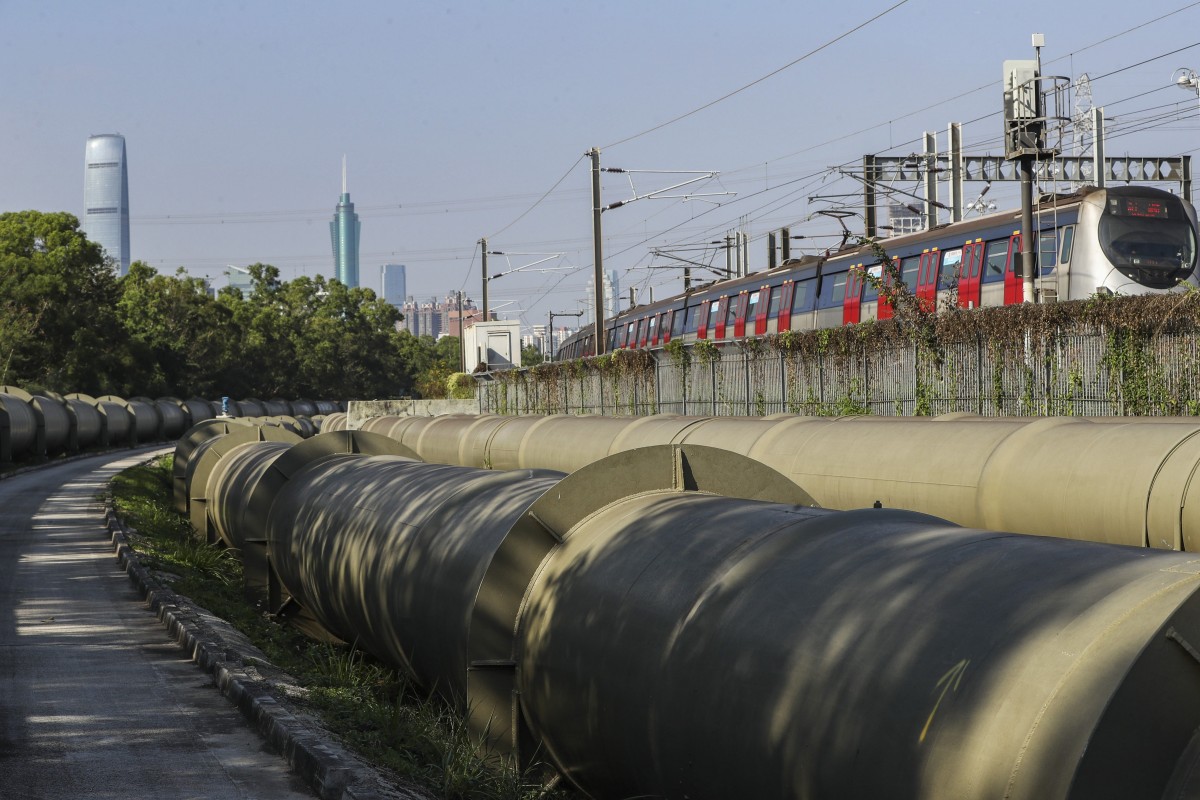
Feature Image: Pipes carrying water from China, Edward Wong, available at: https://www.scmp.com/news/hong-kong/health-environment/article/3010218/lawmakers-endorse-plan-hk77-billion-desalination

Water from the Dongjiang is routed through Dongguan and Shenzhen to HK , HKWSD, available at: https://www.wsd.gov.hk/en/core-businesses/water-resources/dongjiang-water/index.html
A Dream of Self-Sufficient Water Supply in HK

The politics of air quality in Hong Kong highlight the significance of political ecology to our understanding of urban power dynamics and their implications for a city’s identity. The story of the evolution of Hong Kong’s water supply under British administration in the twentieth century is an allegory for the negotiation of power between British and Chinese interests from the 1960s onwards.
Despite its warm, wet climate, Hong Kong’s high population density has always made self-sufficiency in water supply a challenge, and today the government’s Water Supplies Department describes a problem of ‘inadequate and unreliable local yield’. Hong Kong experienced droughts in 1959 and the early 1960s, which were exacerbated by poorly developed local supply and storage infrastructure and a rapidly growing population. The drought asserted to the administration of the British Crown Colony the alarming precarity of the flourishing economic centre in light of its lack of water self-sufficiency, creating a dilemma which can now be seen to showcase the importance of ‘urban ecological security’ (Hodson and Marvin, 2009).

Archive footage showing the severity of water restrictions in 1965 Hong Kong

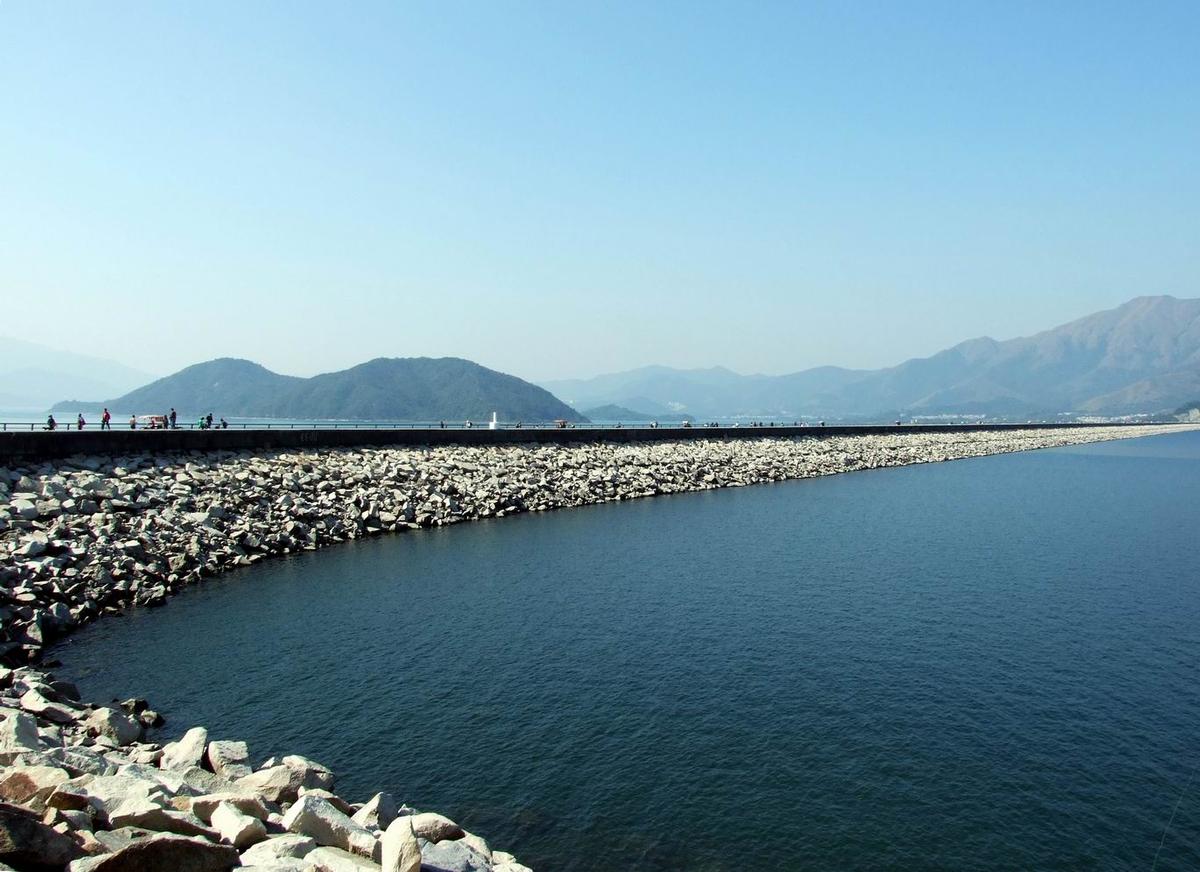
Aware of Hong Kong’s ‘strategic significance’, the Chinese government decided to offer to supply water to the city to relieve the drought, an offer which Premier Zhou Enlai perceptively recognised ‘should be taken as a political task’ (Cheung, 2014: 1014). In 1960, Hong Kong had accepted an offer to receive 22.7 million cubic metres of water from Shenzhen annually, whilst starting work on the Plover Cove Reservoir in the HK New Territories to strengthen local water supply and storage capacity (Lee, 2013: 909). British reluctance to accept further supplies from across the border were strained as the drought worsened to the point that, in 1963, running water was available for only 4 hours every 4 days. So, in 1964, Hong Kong’s British administration cautiously entered into the Dongshen Water Supply Scheme to alleviate shortages in the medium term. The colonial government, still preoccupied with ensuring Hong Kong’s independence from China through water security, simultaneously pledged to develop ‘all local natural resources’ for future water supply and storage (Lee, 2013: 910).

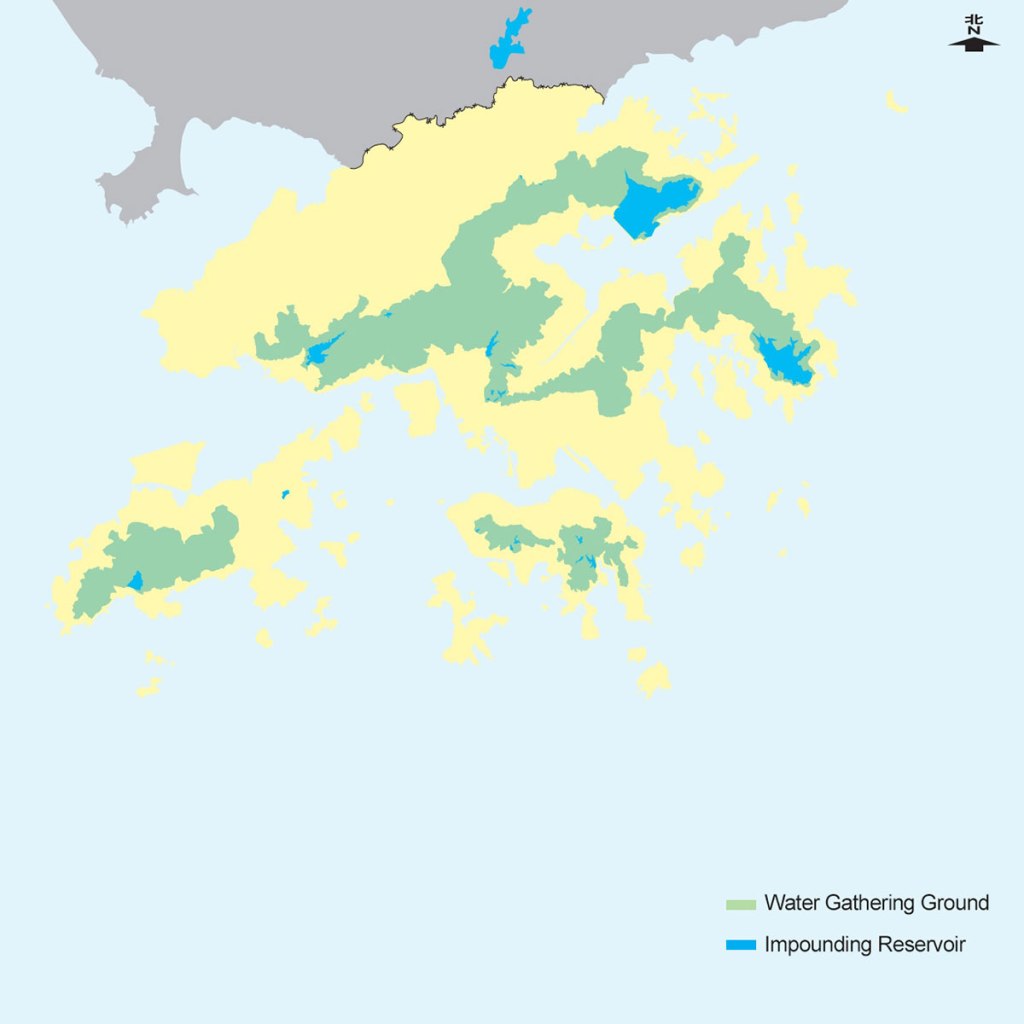
Contemporary map of catchment areas and reservoirs in Hong Kong, showing Plover Cove (northeast) and High Island (east) reservoirs, HKWSD

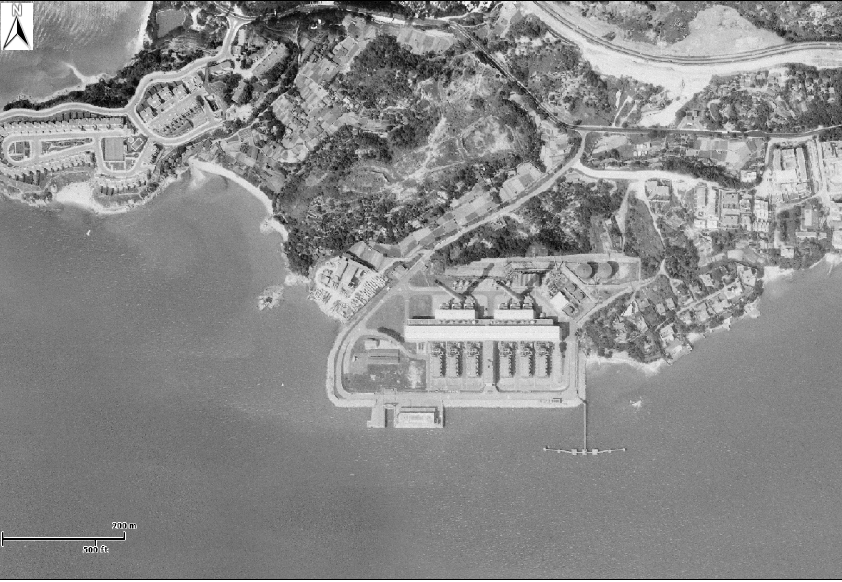
The authorities’ caution in accepting Chinese water thereby brought on a period of unprecedented investment in local water infrastructure, in defiance of the PRC’s ‘attempt to gain political influence’ through water (Cheung, 2014: 1015). The effort comprised three major schemes: the Plover Cove and High Island Reservoirs and the Lok On Pai desalination plant. Taking advantage of Hong Kong’s mountainous geography with its numerous coves and harbours, the two reservoirs drastically increased local catchment and storage capacity, which reached 21 times the total of the early post-war period, a total of 586 million cubic metres (Lee, 2013: 913). Investment in desalination, a costly and energy intensive means of water production, reflected the government’s seriousness in pursuing water security. By 1975, the Lok On Pai desalter became the largest in the world, producing 182,000cm per day, and by 1979 the government asserted that the new infrastructure meant Hong Kong could meet demand for ‘some time to come’ (HKWSD in Lee, 2013: 913).

Satellite image of the Lok On Pai desalination plant, Industrial History HK

This period in Hong Kong’s history was a demonstration of aspirations towards an urban ecological security that would offer stability for a blossoming global city: one of Asia’s financial hubs. But the premature decommissioning of the Lok On Pai desalter in 1981 was a sign of things to come, as Britain and China signed the 1984 Joint Declaration which established Hong Kong’s future as a Special Administrative Region of the PRC. These political changes paved the way for a shift in Hong Kong’s water management, which soon began to increasingly rely on the provision of water from the Mainland.

References:

Cheung, Siu-Kaung, ‘Reunification through Water and Food: The Other Battle for Lives and Bodies in China’s Hong Kong Policy’, The China Quarterly, 2014, p. 1012-1032

Hodson and Marvin, ‘urban ecological security’: a new paradigm? International Journal of Urban and Regional Research, 2009, 33.1, p.193-215

Lee, Nelson L., ‘The Changing Nature of Border, Scale, and the Production of Hong Kong’s Water Supply System since 1959’, International Journal of Urban and Regional Research, Vol. 38.3, 2014, p. 903-921

Feature Image: https://structurae.net/en/structures/plover-cove-reservoir-main-dam

Contemporary map of catchment areas and reservoirs in Hong Kong, showing Plover Cove (northeast) and High Island (east) reservoirs, HKWSD: https://www.wsd.gov.hk/en/core-businesses/water-resources/local-yield/index.html#&gid=1&pid=1

Satellite image of the Lok On Pai desalination plant, Industrial History HK: https://industrialhistoryhk.org/lok-pai-desalting-plant-aerial-photos-1973-1982-2013/

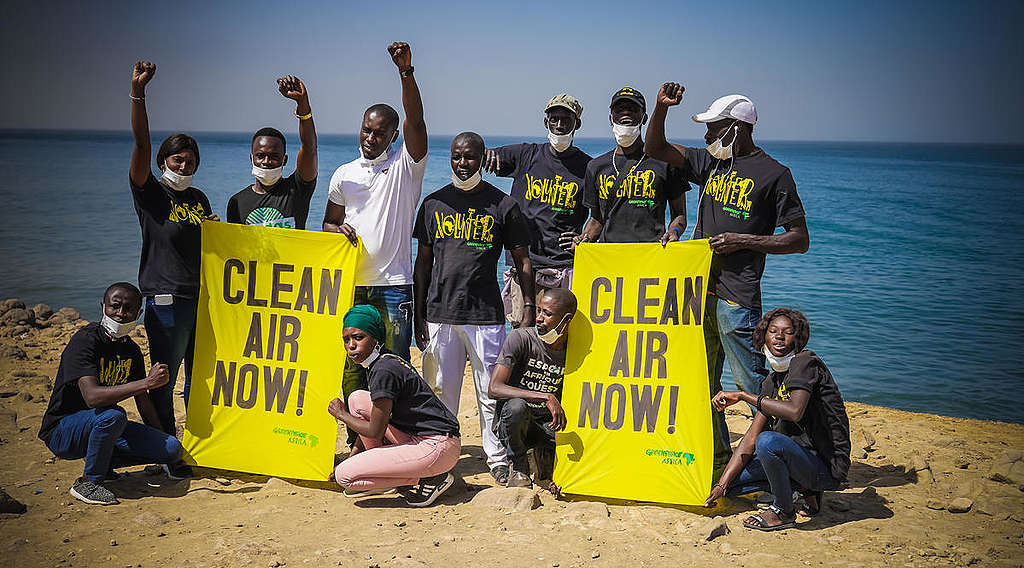
‘Airpocalypse’ in Dakar: Between Power Inefficiency and Traffic Mismanagement

Currently of great concern, air pollution is one of the main causes of mortality in the world. According to the WHO, more than 7 million people die every year from air pollution. Indeed, its consequences on human health are numerous and extremely harmful (asthma, cardiovascular and pulmonary diseases, cancers, immune system impairments, cataracts, etc.).

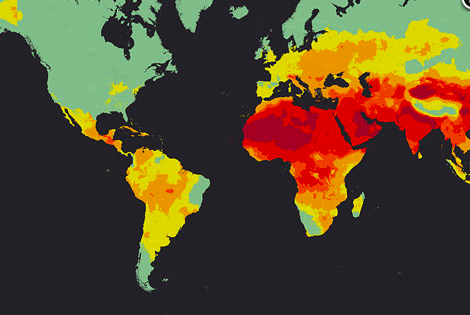
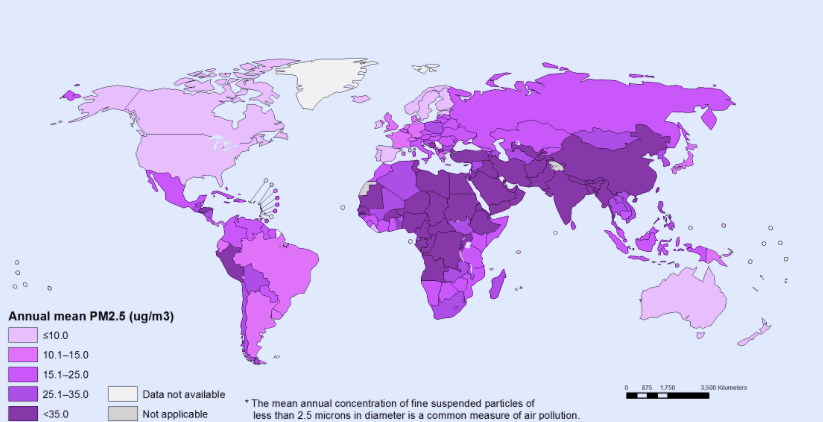
Air pollution constitutes a higher risk for human health in low- and middle-income countries, particularly in urban areas. For most people, what come first to mind when they think about air pollution are Asian megacities, like Beijing or Delhi, and for good reasons since developing Asia contributes “two-thirds of air pollution disease burden” (Krewski, 2008).

Yet, the high levels of pollution in African cities are comparable to those in Asian cities (Val, 2013). Such pollution represents a crucial challenge in sub-Saharan Africa where urbanisation rates are among the highest with largely unregulated traffic emissions. Moreover, in Western African cities, including Dakar, anthropogenic pollution is exacerbated by “desert dust” (Bauer, 2019) and “savanna burning” (Cachier, 1995).


Despite its coastal location influenced by oceanic air masses that promote “the dispersion of pollutants” (Val, 2013), Dakar is one of the most polluted city in the world where November marks the beginning of the dry season and “the start of the peak in air pollution levels” (WHO, 2018). Thus, from December to March, the particulate matter levels are up to four times the recommended threshold (Doumbia, 2012).


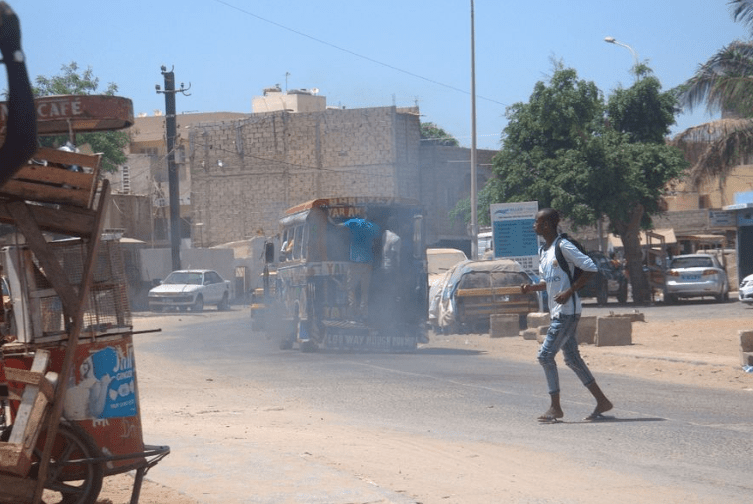
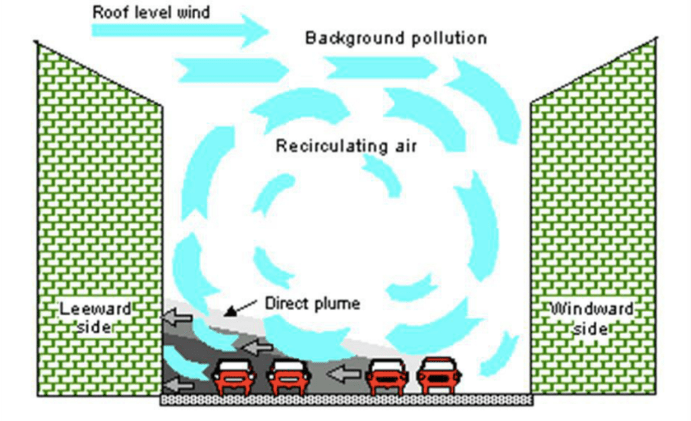
In fact, Dakar is characterised by uncontrolled urban expansion, increased traffic density, aged vehicles with “70% public transport vehicles over 10 years old” (Doumbia, 2012) circulating with poor fuel quality, high per-vehicle emissions, industrial activities and waste dumps that generate significant emissions of pollutants, while cityscape with “street canyons” promotes their accumulation (Ndong, 2019).


Moreover, a large proportion of old vehicles still use leaded-gasoline causing lead poisoning described as a silent epidemic to which children are the most vulnerable since they absorb lead more readily (Diouf, 2006). This exposes them to severe and irreversible damages to their central nervous system that can lead to death.

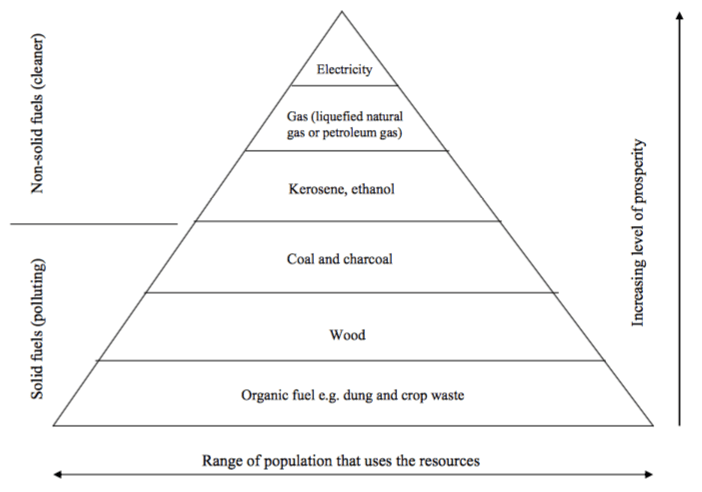
Although “road traffic accounts for 90% of pollution” in developing cities (Ndong, 2019), energy consumption (gas, wood, charcoal) for heating and cooking also contributes to increased pollution. Inevitably, the first choice among poor Dakarois people is solid fuels for their cheap price and easy use, despite the fact that they have “the highest indoor pollution potentials” (Omole, 2014).


This unsustainable way to use energy and transportation in order to keep up with the pace of development activities is done at the expense of public and environmental health. Furthermore, financial cost of air pollution is heavy because of health-driven expenses and lost of labour (World Bank, 2016). Besides, constant demographic growth in Dakar will only lead to increased demand and consumption whereas economic poverty levels remain high.

Surely human development is dependent on resources consumption but, as we can see, human survival is much more reliant on the practice of sustainable and responsible use of these resources. Knowing the problem amplitude is the first step in addressing it and, fortunately, Dakar is one of the few cities in sub-Saharan Africa that tracks air quality. But the next step is to actually develop cleaner activities with long-term perspectives.

Dakar should definitely promote renewable sources of energy (solar, wind, geothermal, hydropower, biogas), public transports and green spaces. But, first and foremost, the government must enforce traffic regulations by banning the most polluting fuels and vehicles and establishing vehicle age limits.

Design a site like this with WordPress.com
Get started