Although this blog is at a close, I want to briefly touch on the global pandemic that is currently unfolding, affecting Barcelona along with thousands of other cities, and the implications this may have for UPE thinking and city resilience.
The COVID-19 outbreak, and the speed at which it is spreading, demonstrates the threat that our current urban model of high-density, globally connected living poses to our collective global well-being and survival. The virus, and the social distancing measures required to try and slow its progress, also highlight inequalities and the health privilege that is awarded to those who can distance themselves from others, both within cities and globally. In terms of city resilience, which is often thought of predominantly in terms of ability to cope with climatic changes, the past few months have demonstrated the vital importance of building bio-resilience in our urban environments.
The spread of the virus has been strongly linked to how and where we live. Following the containment of the virus, it will be interesting to see its influence on urban ideas, and whether there will be a new urban model that allows for socially distanced living and flows of goods to move through cities with minimal human contact.
As this blog comes to an end, I would like to thank you for checking in (almost) every week and reflect a little on my experience writing it. Personally, writing this blog has driven me to think about cities in a new way, looking below the surface to explore the interactions that occur in cities among nature, humans, the built environment and everything in-between. I hope that from reading the blog each week you have gained a better understanding of the urban political ecology issues Barcelona is facing, and it has inspired you to think about similar issues in other cities around the world.
The only solution put forward by Meralco to make the expansion of its distribution grid in poor areas profitable is the implementation of a prepaid service system to avoid late payments. Prepaid electricity is presented as a social measure allowing households to monitor their consumption levels in order to save money while reducing the city’s alarming consumption rate. Yet, it mainly results in telling the poor to use less when the rich, whose contribution to the city’s carbon footprint is far bigger, maintain highly energy-consuming ways of life without any significant disincentive from the state.
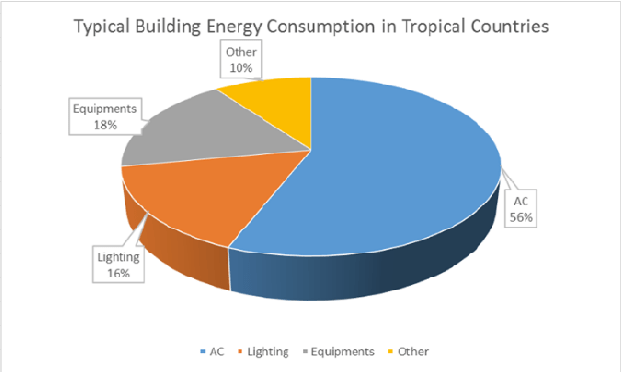
In Metro Manila, despite hot weather outside throughout the year, it is common to be very cold in offices, private residences, taxis or buses. Indeed, air-conditioning serves as an indicator of social status. Unreasonably cooling down its environment enables the upper class to showcase cold weather Western clothes (Sahakian, 2010). Air-conditioning also stems from security concerns: it reflects a desire from those who can afford it to keep windows closed and isolate from the city’s polluted air and dangerous criminals, which are increasingly diabolized by President Duterte.
Air-conditioning is an increasingly crucial issue in tropical countries as a whole. Source: Katili, A. & Boukhanouf, R. & Wilson, Robin (2015)
Few policies provide incentives for the upper class to reduce its energy consumption. In view of the numerous construction works currently underway, strong enforcement of obligatory mandatory green building regulations could significantly impact the city’s ecological footprint in coming years. But as shown previously through the example of SM Mall, sustainability is mainly a marketing strategy of “green-outing”.
Manila stands at the forefront of disaster risk in the world. If it ambitions to efficiently tackle climate change, it will have to consider coherently coordinating the battle against carbon emissions and the struggle against class disparities.
Katili, A. & Boukhanouf, R. & Wilson, Robin. (2015). Space Cooling in Buildings in Hot and Humid Climates – a Review of the Effect of Humidity on the Applicability of Existing Cooling Techniques.
Sahakian, M. D. (2001). Understanding household energy consumption patterns: When « West is Best » in Metro Manilla. Energy Policy 39, 596-602.
Aiming to work on the development of concrete projects regarding access to drinking water and sanitation, “Initiative Dakar 2021” was launched on the 16th of January 2020 in Diamniadio, a city close to Dakar. The results will be presented at the 9th World Water Forum in 2021 and “serve as a catalyst for the achievement” (Sène, 2020) of the SDG 6.2. This operation emphasises the challenges that remain due to the lack of safe and sustainable sanitation, including in Senegal and its capital.
According to the WHO, 2.5 billion people (a third of the world’s population) still lack access to improved sanitation (CDC, 2016) with 673 million who practice open defecation, while 1.8 billion drink faecally contaminated water.
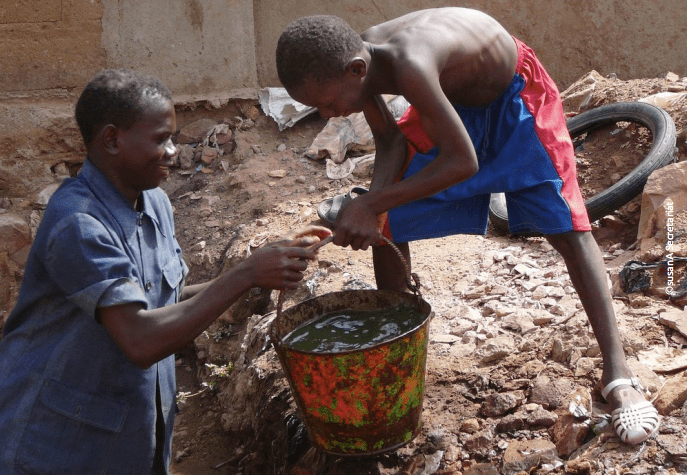
In Sub-Saharan Africa, sanitation access in urban areas is mostly provided through onsite sanitation technologie which result in faecal sludge (FS) accumulation when no proper management system is in place. In Dakar, “39% [of households] have on-site or semi-collective systems and only 25% are connected to the sewer network” (Scott, 2013). The most common onsite systems are typically pit latrines and septic tanks which often lead to unsustainable and inadequate services. Half the pits are emptied manually in Dakar, while waste is often dumped in the environment impacting on health of the vulnerable poor.
In addition, “the pits can reach 20 to 30 feet” deep and “contaminate water sources” (2015), as discussed in my last post, while flooding leads to their overflow.
Sewerage systems, in which FS is piped away for disposal elsewhere, are often viewed as too costly at both financial and environmental levels and too difficult to maintain in African contexts.
Like most African cities, Dakar hence lacks sewerage networks which are often “dysfunctional” or “serve only wealthy” districts (Norman, 2011). The UN, World Bank and WHO considered sewerage and onsite technologies to be “equivalent improved sanitation systems” (Dodane, 2012), meeting the MDGs for sanitation. However, the management of FS from onsite technologies were not included in their definitions, leading to projects that often did not address FS-related issues.
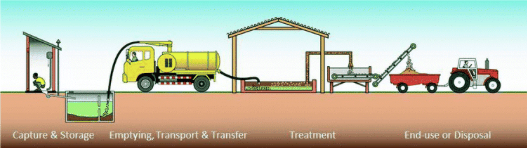
The management of FS from onsite sanitation systems therefore appears as a priority in cities like Dakar, especially in poor areas. FS needs be collected, treated and disposed of through the “sanitation service chain” (Medland, 2016), collectively know as Faecal Sludge Management (FSM).
FSM system is much more relevant than sewerage systems in places like Dakar. It is more robust because not reliant on electricity which is highly valuable in Dakar where power blackouts frequently occur. It is also more adaptable to the dense and growing urban infrastructure, while the failure of one component has little impact on the overall system.
Funded by the World Bank and designed by the ONAS, the PAQPUD project was “the first large-scale implementation of low-cost sewerage in sub-Saharan Africa” (Norman, 2011) that ran from 2001 to 2009. Focused on low-income areas of Dakar, the project installed settled sewerage systems which basically involve “the sewering of septic tanks, such that solids settle and remain on-site, and only the liquid fraction is piped away” (Norman, 2011). Despite improvements, this ‘pro-poor’ project yet excluded many of the poorest households, while others were not able to participate because they could not afford the fee, had no toilet or did not even know about the project.
One ONAS’ success so far is “the implementation of a call centre for faecal waste trucks” (IWA) that enables competition among the truck companies, reduces the service price and increases the efficiency of waste collection.
Nonetheless, sanitation still places a high economic burden on households due to the lack of financially viable management of the sanitation service chain. One way to generate additional cash flow is at the back-end of the chain through waste recovery that could reduce the amount paid by households and increase their ability to cover for service which in turn improves the overall access to sanitation. In Dakar, 15% of the wastewater is treated, while the rest is discharged untreated into the ocean. Only 1500 m3 of faecal sludge is collected daily and delivered to the treatment plants, while the remaining 4500 m3 is disposed of directly into the environment (Diener, 2014) and thus lost, whereas it could be a valuable resource (fuel for combustion, biogas, protein for animals, building material, soil conditioner, organic fertiliser). The only faecal recycling observed in Dakar “is very limited agricultural use of sludge as a soil conditioner and fertilizer” (Diener, 2014).
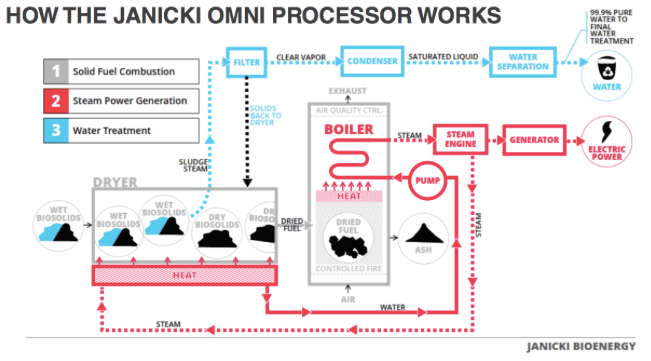
Designed to be flexible and self-sustaining, the Janicki Omni Processor aims to produce electricity, safe water and ash (used as fertiliser or building material) from faecal sludge (Gates, 2015).
Funded by the Gates Foundation, the pilot project (Cashman, 2020) in Dakar was set up in 2015 and has taught several lessons for the larger commercial version that is currently being planned. However, this technology has a high initial cost and hence rely on the big banks and investors’ interest.
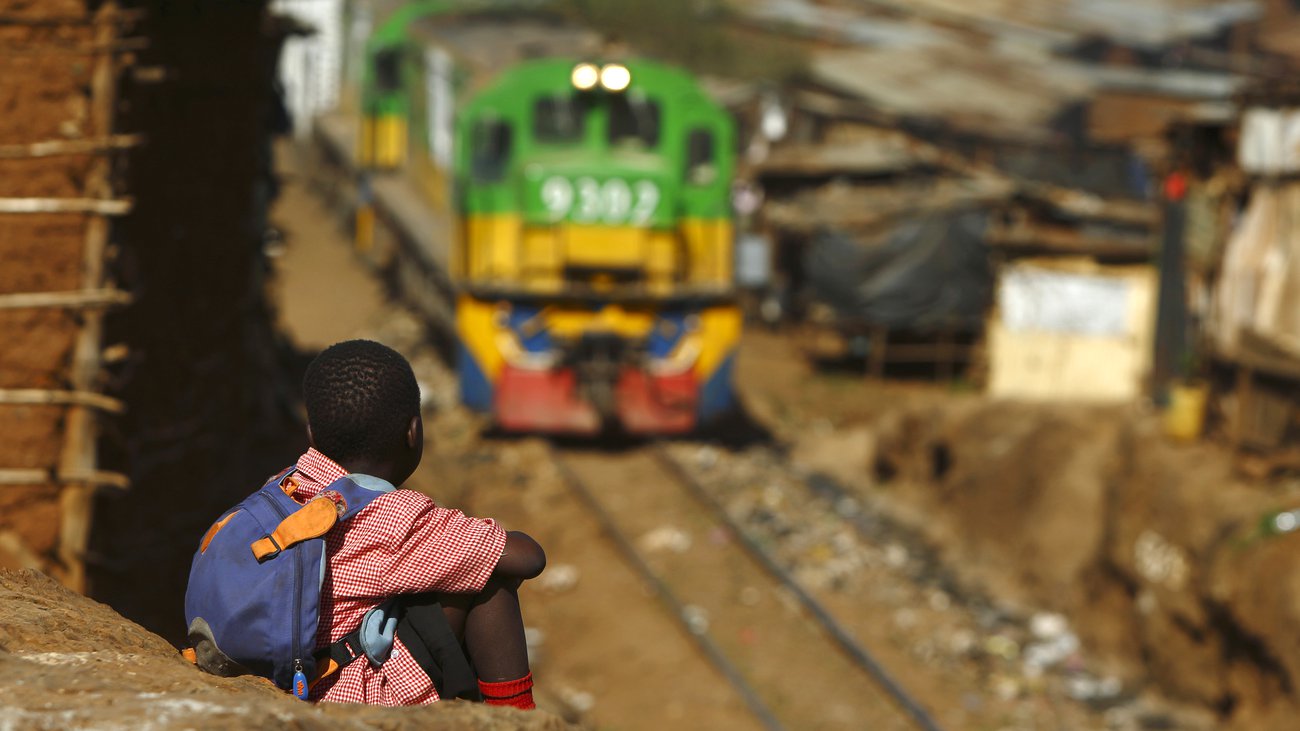
Today I have to say goodbye. Goodbye to Nairobi’s informal settlements, and goodbye to you, my blog readers. The last weeks have been a journey that took us to a place far away, to a place the majority of us probably haven’t seen before. I hope my blog entries have not only contributed to an idea of UPE topics found in Nairobi’s informal settlements but a general idea of the unique place I have investigated.
There are plenty of UPE challenges found in Nairobi’s informal settlements. Challenges that start from colonial legacies that split the city into informal and formal. Challenges that range from water and air to waste and disease. It is crucial though to keep in mind that there are not only challenges. There are also opportunities, shown amongst others with the example of circular economies or with urban farming projects.
It is also crucial to remember an idea of Nairobi’s informal settlements not only as a place of poverty and misery. I have experienced Nairobi’s informal settlements as a vibrant and colourful place, a place where wonderful people live that are supportive of each other and also to foreigners visiting them. A place that is confronted with enormous challenges but with a spirit of hope and positivity nonetheless!
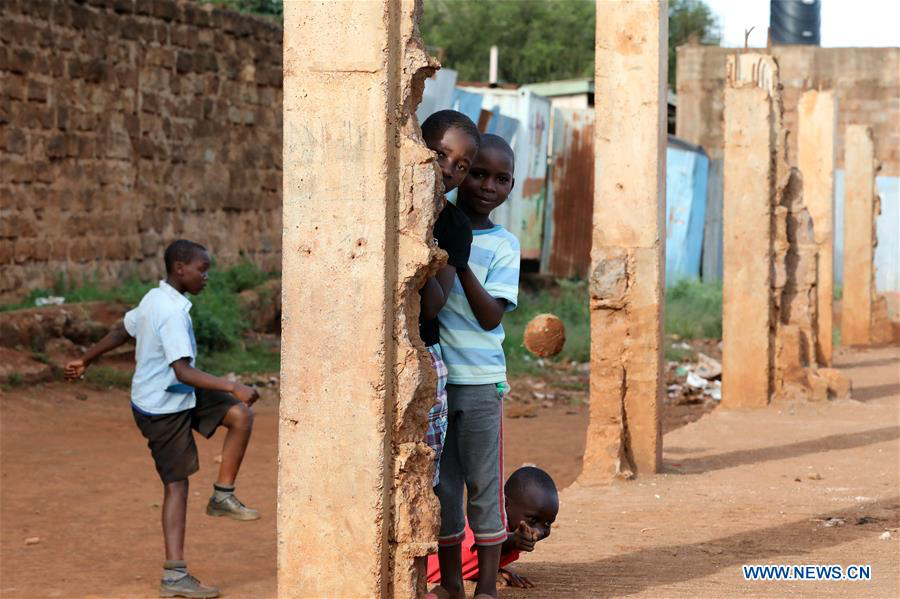
It was difficult to choose the last picture, but children playing football can’t be a bad choice!
Until then – stay curious, positive, and healthy!
Children playing football in Kibera. Source: Xinhua/Wang Teng, 2017
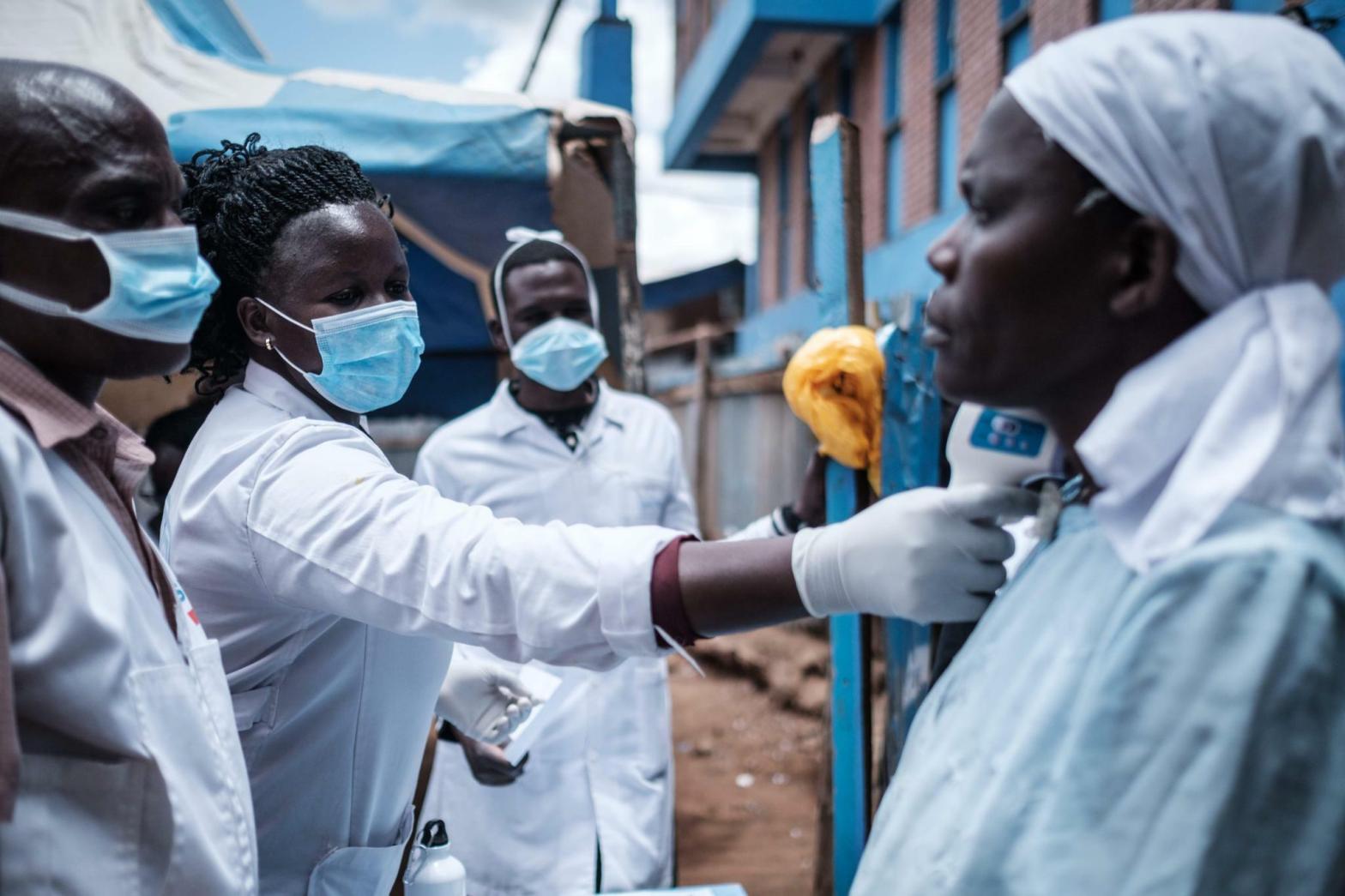
Welcome back. Today I am writing about the number one topic of discussion – Coronavirus!
What most people in the Global North are now experiencing for the first time and in a relatively mild form is part of everyday life for many in the Global South: the juggling of multiple, existential crises. Extreme social rifts and medical care as a luxury good only for the rich. This is, in very broad terms, the starting position in that part of the world which – after China and the global North – now expects a massive spread of the Coronavirus.
The Director-General of the WHO, Tedros Adhanom Ghebreyesus, made an urgent appeal: Africa must wake up and prepare for the worst. Easier said than done. After all, a large proportion of the measures that are used here in a fundamental and effective way to combat the Coronavirus cannot be implemented in many developing countries, including Kenya.
In Kenya, and in many African countries in general, there is a lethal combination of weak to non-existent health systems, limited financial resources and inhabitants with a poor immune system. There is already a lack of doctors and medical equipment in many countries. And many Africans cannot afford medicines, let alone hospitalisation.
There are still comparatively few corona infections in Kenya, but according to experts, this is a ticking time bomb. The Kenyan government is taking drastic measures, such as closing schools and universities. But basic advice on how to avoid infection is already coming to nothing in view of the poverty and shortage in many places. So, all the prevention measures that we are now so familiar with in the global North sound absurd in Nairobi’s informal settlements. Let’s put on the infrastructure lens to see why this is so.
A very useful and inexpensive protective measure in the Global North is washing hands. However, for many people in Nairobi’s informal settlements, this is only possible with difficulty or perhaps not at all. As you might assume from reading my previous blog entries, this is because inhabitants don’t have uncomplicated access to running water and soap. Hence, the hygiene measures adopted by the Kenyan government often fail because water and soap are in short supply, particularly in informal settlements. Even disinfectants, which the government recommends when water is not available, have become unaffordable for most people in Nairobi’s informal settlements, at least since the first case of corona became known.
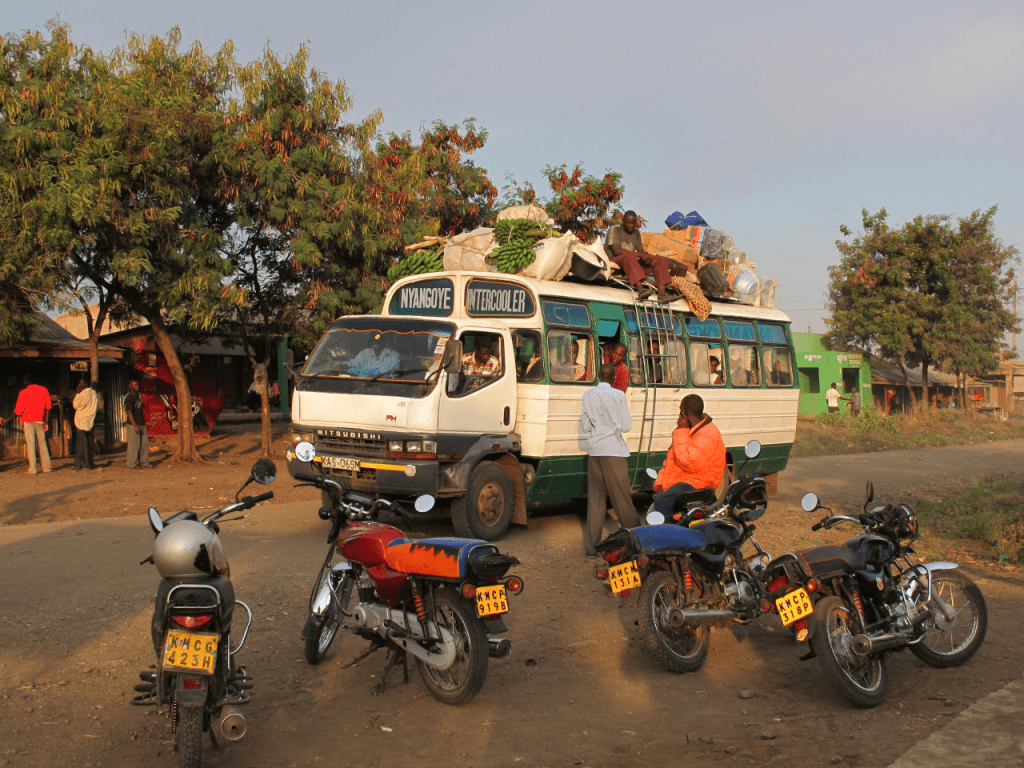
And social distancing in Nairobi’s informal settlements, where six or eight people live in one room? A thing of impossibility! People cannot keep enough distance from each other. As the majority doesn’t have their own cars, public transport in the form of Matatus is the only means of transport. And social distancing on public transport is not possible either. From my own experience, I can say that a small bus with a capacity of 12 people can easily carry 20 people. One doesn’t know when the next bus will leave again. Have a look at this picture of a Matatu.
Matatu in Nairobi’s informal settlements. Source: Mutongi, 2017
With the spread of the Coronavirus, incomes will fall drastically for inhabitants of Nairobi’s informal settlements. For many, this would immediately threaten their existence. If they cannot go out to work, they remain hungry. The vast majority of inhabitants in Nairobi’s informal settlements work in the informal sector, i.e. without any social security. The informal sector is likely to come to a virtual standstill with the rigid measures taken to combat the spread of the Coronavirus.
Have a watch at this video, dealing with the Coronavirus in Kibera.
For all their crisis-prone nature, countries of the global South have made significant progress in recent decades in combating poverty and epidemics, and some have good early warning systems. Many African countries, marked by the Ebola epidemic between 2014 and 2016, had already introduced health checks at their borders when Europe was still raving about “scare tactics”. And in many countries, success has been achieved in recent years in the fight against the three big “killers”: tuberculosis, malaria and HIV/AIDS.
What I didn’t tell you in the beginning, this was my last blog post on a specific topic. Next week, we have to say goodbye. But you can look forward to a summary of topics I have discussed, and you have hopefully enjoyed reading about in the last weeks. Until then, stay healthy!
Our approach to urban political ecology has been to understand Manila’s ecology as the intertwined flows structuring it. The two last posts will therefore be dedicated to the origin – where does it come from? – (1) and end of life – how is it used? – (2) of the energy required to (em)power Manila and the Manileños.
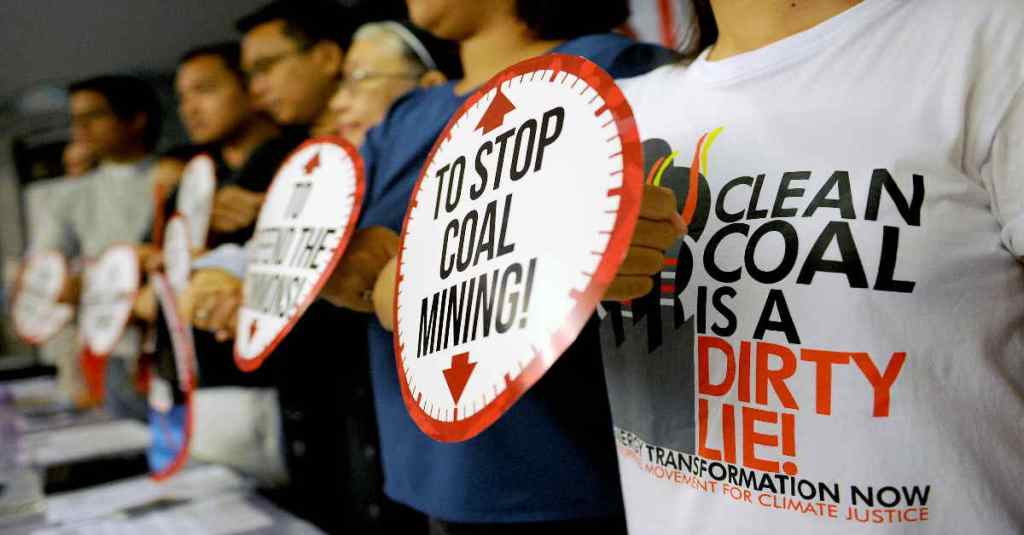
Environmentalists calling for the reduction of coal-fired power plants Source: The ASEAN Post
Nationally, the Philippines has a renewable energy rate of 32%, which is rather promising compared to the surrounding countries, especially thanks to geothermal energy, for which the country is the second largest producer in the world thanks to its strong seismic activity (Mouton 2015). But the country remains Asia’s largest energy importer. Metro Manila is particularly overdependent on coal and oil, of which it has to import 90% of its consumption (Sahakian, 2010). With booming economic and demographic growth, a sustainable energy policy is increasingly crucial to Manila’s functioning.
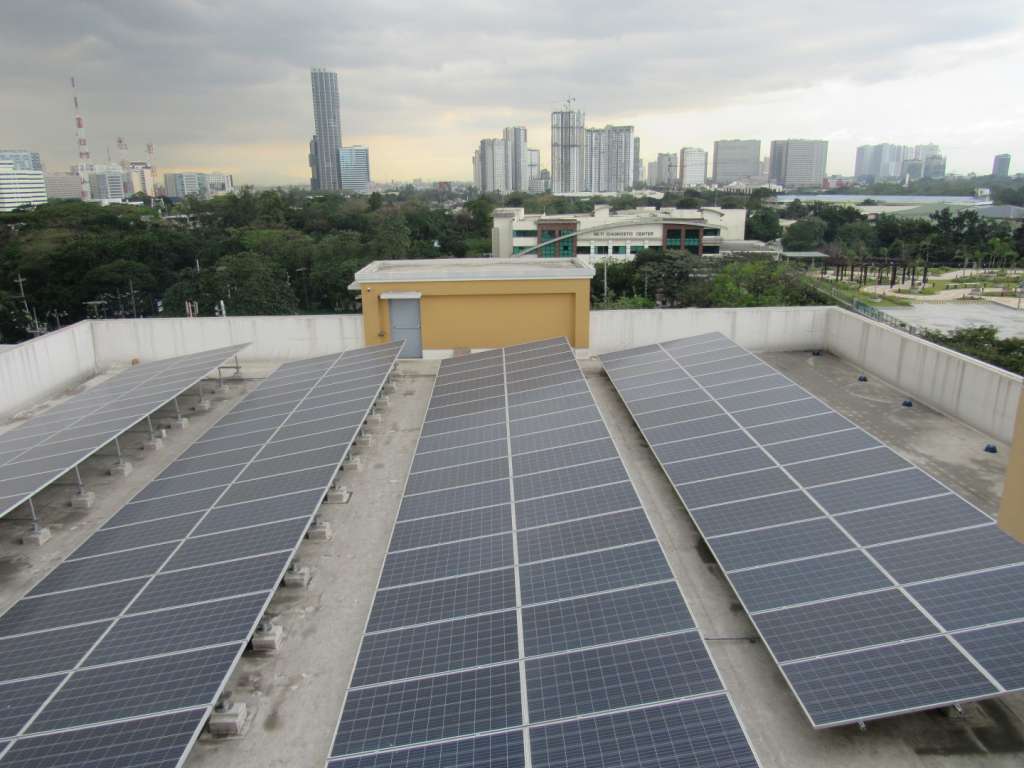
Local governments (LGUs) are at the forefront of Manila’s fight to become self-sufficient, through innovative small-scale energy production units. Quezon City is the illustration of this local commitment. The city is cautiously building its future through various measures. It is a member of the C40 network of green cities, and it relies on its educated population to support its climate action plan: the city has a 98% literacy rate, and hosts the prestigious Ateneo de Manila University. Quezon City has grown to become the Philippines’ largest and richest LGU in recent years. With the help of C40 experts, the city is transforming its wasteland into a model waste-to-energy plant to recover methane gas from waste disposal (C40 Cities 2018). Quezon City also joined the C40 Cities Finance Facility to solarise schools and “provide reliable and undisrupted power supply” (C40 Cities 2017). Although these programs are implemented in the form of small-scale public-private partnerships, they appear to be controlled adequately by public authorities and the projects have so far achieved their goals. This green energy production generates jobs and financial resources for Quezon City, as energy is then used for street lighting and sold to Meralco, the largest electricity operator in the country.
Meralco is the only electricity operator in Manila. Thanks to its monopoly, it holds immense leverage over LGUs. The city’s energy sector is consistent with the dual process of decentralization and privatization already observed in previous articles: as most sustainable energy production initiatives are attributed to LGUs, Meralco’s monopoly over distribution raises questions regarding its commitment to providing affordable and reliable energy for all.
Indeed, the persistence of blackouts seems to indicate that the company is not able to handle Manila’s growing demand, which reminds us of our analysis of Manila’s private water supply operation. The distribution grid is also insufficiently developed and does not reach most informal settlements. In the case of water, the consequence has been rising prices and deterioration in the quality of infrastructure over time.
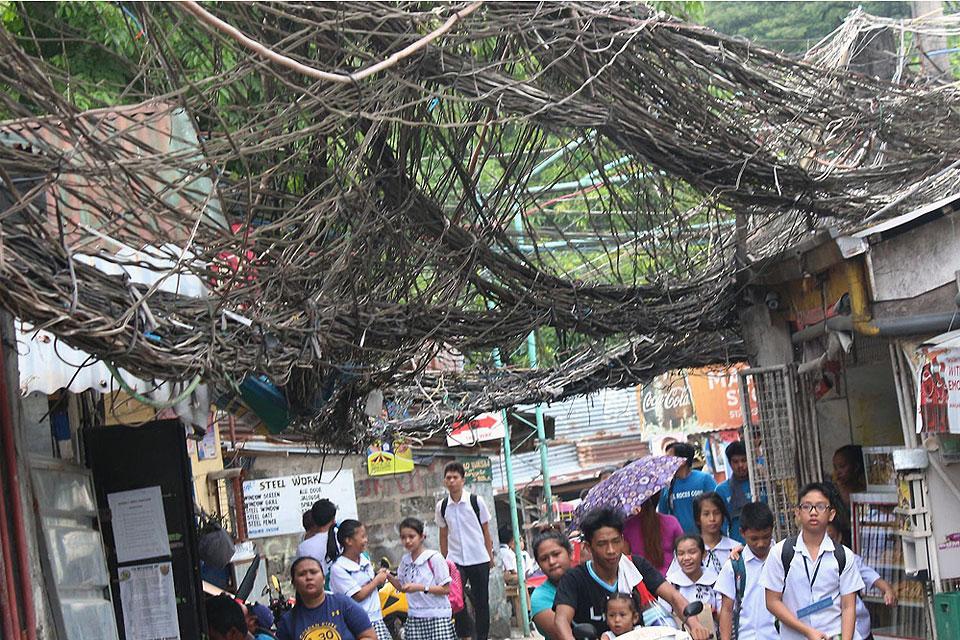
The web of of electrical wires poses danger in Quezon City Source: GMA News
Infrastructure disinvestment also impacts citizens’ security in the face of disasters. In poor neighborhoods, interlaced electrical wires hang in the air. Faulty electrical wirings are a common cause of fire in informal settlements, particularly during typhoons. This risk is enhanced by the high price of network connections : urban poor communities deprived of connection resort to illegal wiretapping, thus further damaging the infrastructure. Here, the discourse legitimizing privatization through the argument of cost-efficiency reaches its limits: although expanding the network to these communities might not be the most profitable short-term operation for Meralco, the company’s exclusive strategy results in costly losses due to the residents’ “quiet encroachments of the ordinary” (Bayat 2000).
Bayat, A. (2000). From ‘Dangerous Classes’ to ‘Quiet Rebels’: Politics of the Urban Subaltern in the Global South. International Sociology 15 (3), 533-57.
Mouton, M. (2015). The philippine electricity sector reform and the urban question: How metro manila’s utility is tackling urban poverty. Energy Policy 78 : 225-34.
Sahakian, M. D. (2010). Understanding household energy consumption patterns: When « West is Best » in Metro Manilla. Energy Policy 39, 596-602.
Beyond the difficulty of coordinating municipalities to respond to the urgent need for satisfactory mobility options, the structuring nature of mobility raises important social issues (Hickmann 2017). In particular, galloping neoliberalism is visible in the “stratification of mobilities” (Guéguen 2014).
A city-wide issue symptomatic of neoliberalism
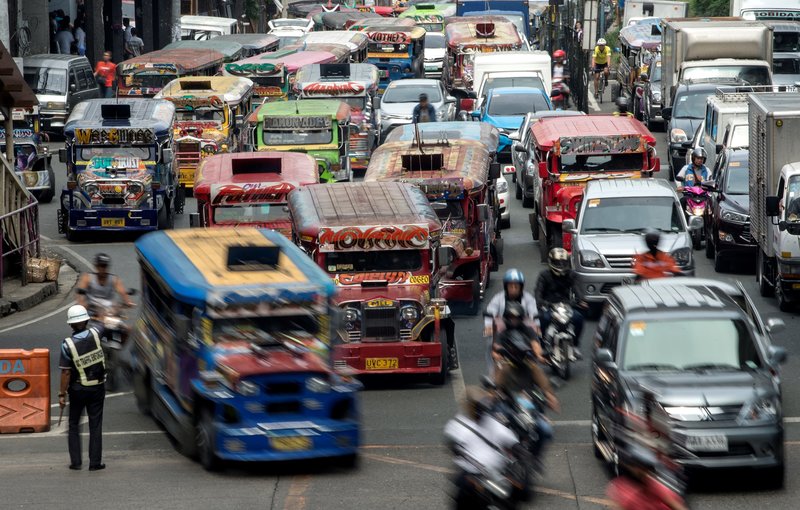
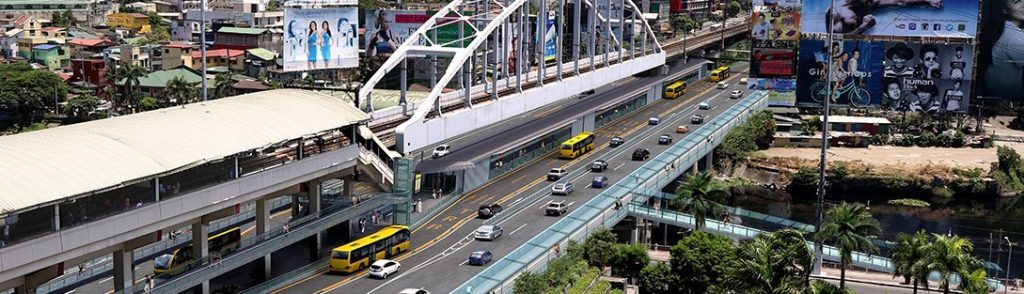
No comprehensive public transport nexus exists in Manila. The three Light Rail Transit (LRT) lines barely meet demand (Regida et al. 2017). Instead, a plethora of public transport means competing with each other – including Jeepney (local informal minibus), moto-taxi, tricycle – reflects social segregation and chaotic development.
The most popular transport mean, the Jeepney, overlaps with rail transit lines, when it could be servicing surrounding areas. Correspondence from the LRT to Jeepneys often requires crossing dangerous roads. The poor are left navigating into this mess of uncoordinated informal and formal transport options. They often have to take different routes successively, which ends up very costly and time-consuming. On average, 20% of household income is spent in transport (Oxford Business Group 2016). In Jakarta, a comprehensive public transport reform took place recently, integrating informal minibuses into an organized system to increase the efficiency of transport without affecting the – already precarious – informal sector job market (ITDP 2019). This could be a source of inspiration for Manila.
More than 300,000 jeepneys circulate on Metro Manila’s streets Source: NPR
The deregulation of the transport market significantly contributes to congestion. On EDSA, the city’s biggest avenue, numerous bus companies compete for customers, slowing down the traffic (Boquet 2013). in the informal sector, due to harsch competition between Jeepneys -Manila’s minibuses- drivers lack time and financial means to unionize. They are atomized and work long shifts to earn a living. They have to drive unreasonably fast and stop regularly to fill their minibuses to the brim.
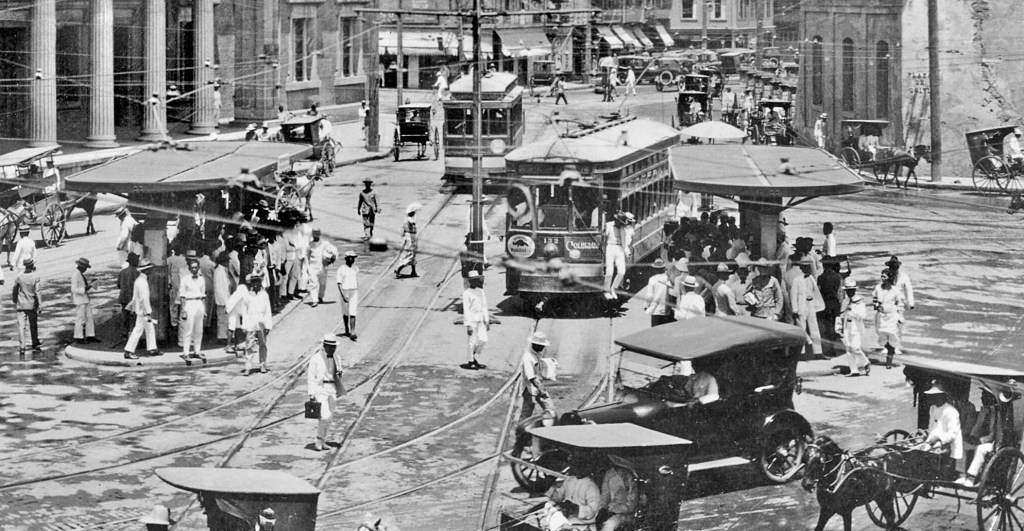
Meanwhile, Duterte’s “Build Build Build!” program of private infrastructure investment disproportionately favors an economic elite. Elevated “elite avenues” (Graham 2018) are built throughout the city. These tolled flyover highways built on top of the main public roads enable the rich to escape from the congestion under their feet, thereby also avoiding their responsibility to solve this alarming city-wide problem. This urban development trajectory reflects a century-old colonial construction of “modernism” in the city: in the 1910s, a racially motivated hierarchy classified individual car, tramway and bus as three different levels of modernity, with Westerners enjoying to be alone in their car, or between themselves in the tramway. Individual car ownership can still be identified as a “modernist”, exclusive institution today (Pante 2014).
Manila’s long-lost tranvias were once the envy of Asia Source: SkyriseCities
Flyovers also enable the wealthiest to settle in Newtowns faraway from Manila, thereby escaping from its exposure to floods, its polluted air and crowded space. Privately built and managed Clark City, where the state is only a facilitator, is marketed by Ayala Land as an attempt to decongest Manila. 1.2 million inhabitants are expected to settle there by 2025. This phenomenon exemplifies the privatization of public space, as mobility becomes segregated in the same way as housing, where “mixed-use enclaves” increasingly separate the consumerist world of the elite from the rest of the city.
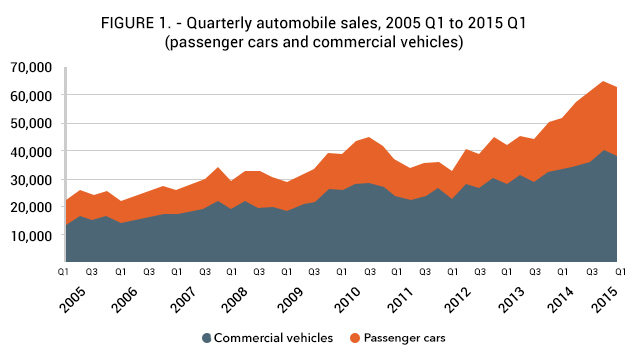
Automobile sales keep rising in Metro Manila. Source: Rappler
Filling the gap left by the Metro Manila Development Agency (MMDA), incapable of handling Metro Manila’s expansion, the only holistic vision for transportation was provided by the Japan International Cooperation Agency (JICA). Its “Dream Plan” (2014), which was adopted by the MMDA as roadmap until 2030, seems biased towards enhancing economic openness and trade: the plan prioritizes facilitating the accessibility of industrial ports and airports over the mobility of Manila’s 23 million inhabitants.
Boquet , Y., (2013). Battling congestion in Manila : the EDSA problem.
GIZ (Deutsche Gesellschaft für Internationale Zusammenarbeit) & DOTr (Department Of Transportation) (2016). Transforming Public Transport in the Philippines. Eschborn.
Graham, S. (2018). Elite avenues. City, 22(4), 527–550.
Hickman, R et al., (2017). Understanding Capabilities, Functionings and Travel in High and Low Income Neighbourhoods in Manila. Social Inclusion , 5 (4). 161-174.
JICA (Japan International Cooperation Agency). (2014). Roadmap for transport infrastructure development for metro Manila and its surrounding areas (region III & region IV-A) in the Republic of the Philippines. Japan International Cooperation Agency: ALMEC Corporation.
Kirk. M, (2017), Saudi Arabia’s $500 Billion Fantasy of a Utopian Megacity, Citylab, available at https://www.citylab.com/design/2017/11/ saudi-arabias-latest-planned-city-costs-500-billion-and-is-insanely-huge/544748/
Malthus, T. (1978). An Essay on the Principle of Population. 1998, Electronic Scholarly Publishing Project.
Pante, M. D. (2014). Mobility and Modernity in Urban Transport Systems of Colonial Manila and Singapore. Oxford University Press: Journal of Social History 47(4). 855–877 Rizzo, M. (2011). ‘Life isWar’: Informal Transport Workers and Neoliberalism in Tanzania 1998–2009. International Institute of Social Studies 42(5), 1179–1205.
As part of the 100 Resilient Cities programme, in recent years Barcelona has recognised the shocks and stresses it faces and has committed to taking proactive steps to increase the city’s capacity to deal with these challenges.
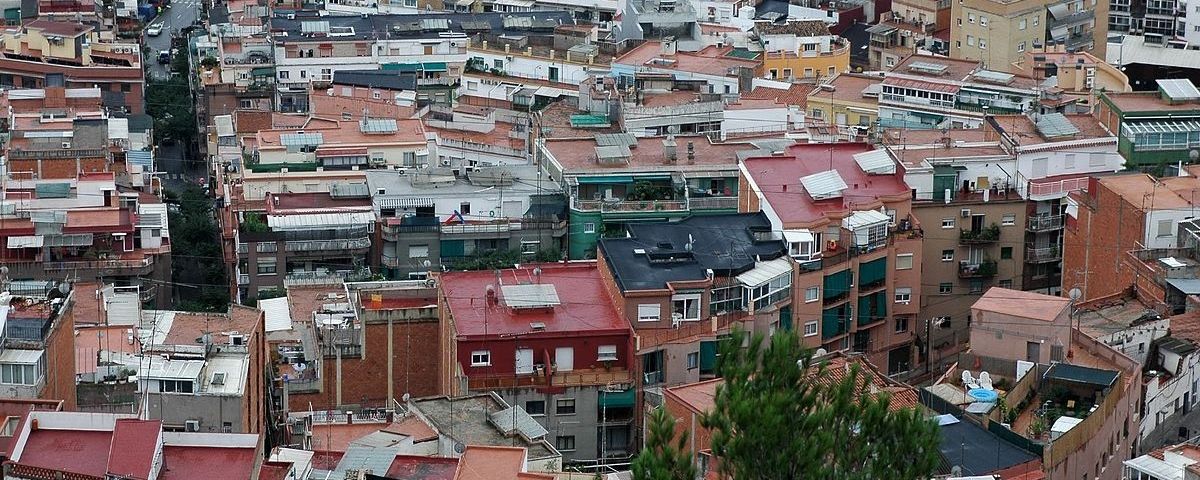
Barcelona is a vibrant port city with thriving tourism and cultural industries; however, it also suffers from social challenges such as social polarisation and an unequal distribution of income. In 2015, the neighbourhood with the highest disposable income was 7.26 times that of the poorest neighbourhood. This income disparity is also reflected geographically across the city, with the richest neighbourhoods situated in the western districts of Sarrià – Sant Gervasi and Les Corts, and the poorest found in the north-east in the Nou Barris district.
Whilst the social challenges of inequality are now problems the municipality is having to address, they are in part the result of actions by the city, since it began its process of urban renewal in the 1980s and 1990s. These urban renewal programmes originally intended to reduce levels of inequality and deprivation in areas such as the Raval district – where culture was used as a tool for urban regeneration of an area struggling with crime and violence (as mentioned in this previous blog post) – have failed to achieve their social goals. Instead, the regeneration of central areas of the city, whilst contributing to the city’s success as a tourist destination and supporting its economy, has triggered both forced and indirect market-led displacement of vulnerable populations. As a result, these vulnerable populations, who are usually low-income, ethnic minority or elderly, have been pushed to the peripheries of the city due to a lack of affordable housing in the city centre, re-enforcing the geographic divide in income disparity.
Barcelona also struggles with energy poverty – 170,000 residents have limited or no access to basic services such as electricity, water and gas due to an inability to pay. In 2016, 9.1% of the population could not afford to keep their home at a suitable temperature in the winter. The legal framework that governs the energy sector in Spain describes energy as “a service in the general economic interest”, which has resulted in further deregulation of the energy market, and an oligopoly that profits hugely from increasing household electricity prices – actions that have been supported at official levels for their contributions to the city’s economic growth. In recent years, the Alliance against Energy Poverty – an alliance of social movements, residents and NGOs – has brought the issue of energy poverty to the attention of Catalan officials, with action beginning to be implemented, although not at a fast-enough rate to help the hundreds of thousands of households in Barcelona who are currently living without basic services.
Similarly, the privatisation of the Catalan water supply, justified by the unbearable level of debt accrued by the Catalan Water Agency, has led to a steep rise in the cost of water in the city. Today, more than half of the Barcelona water bill is comprised of unnecessary costs not directly connected to water service costs; with Barcelona water bills 91.7% more expensive than the closest municipalities under public management.
These social challenges the city is struggling with highlight the problems with the much praised ‘Barcelona model’ of urban development and growth. They demonstrate the segregating effect that a city’s drive for growth and success can have on its urban population, with this development leaving behind and excluding a significant proportion of the population, reproducing existing inequalities and exacerbating power imbalances. These persistent social stresses also demonstrate that regeneration of the built environment alone will not create tangible social change; what is needed is government recognition of social challenges, and policy to be put in place to support vulnerable populations. Whilst these social issues are common in large cities, and so not entirely attributable to the rapid policy-led urban regeneration that Barcelona has achieved, they have been worsened because of the city’s development.
The bigger half of this blog is now behind us. Through 4 successive posts, we have broadly outlined the complex links between nature and urban governance Metro Manila. To do so, we focused on the major challenge of urban ecology in Manila, namely resilience, taking the pressing issue of water security as a starting point. We explored the different and intersecting ways in which water flows structure life in Manila – including supply, exposure to floods and waste management. This will be followed by 4 shorter articles in order to broaden our view and refine our take on Manila. Throughout our journey, we will expand on previously identified elements as they underlie Manila’s ecology as a whole. We will come across similar trends regarding the intersecting political, social, economic and environmental dimensions of nature in the city.
In Metro Manila, one of the most densely populated cities in the world, analyzing mobility is crucial to make sense of urban development dynamics. Transportation nexuses and mobility opportunities play a key structuring role in the city and shape the nature of interactions. They hold the potential to isolate and connect (Guéguen 2014). As such, not only is mobility an integral part of Manila’s urban ecology, it is also a governance challenge.
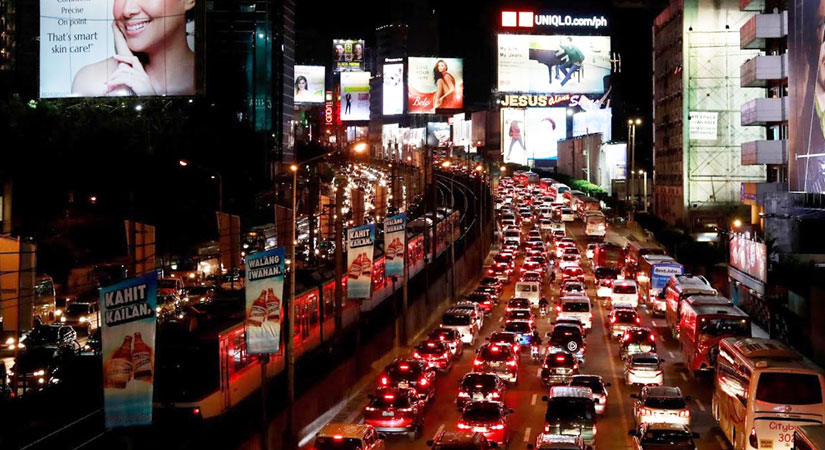
Manila’s case is emblematic: the Philippines’ capital city is the second most congested city in the world (Tomtom Traffic Index 2019). Reasons for this are best identified as resulting from the city’s dual process of decentralization and privatization, which overarches our analysis of Manila’s governance so far. We will therefore approach mobility governance challenges from the perspectives of decentralization (1) and privatization (2) in two successive posts.
Manila’s congestion level reaches 71% on average. Source: GMA News
Last week, we saw that Pasig City opened Manila’s first public bus line and bike sharing system without coordinating its action with surrounding municipalities. Despite an alarming lack of mobility options for Manileños, congestion and public transports are still addressed individually by municipalities. This trend is representative of Manila’s loosely coordinated governance structure.
Importantly, ease of movement has grown to become the main line of Pasig’s territorial marketing strategy. Pasig is now widely promoted as Metro Manila’s most successful municipality, so much so that other municipalities may adopt similar initiatives as they compete to attract businesses and residents. Since no institution is capable of coordinating municipalities among themselves, these campaigns would remain scattered nuclear initiatives. Such schemes have so far resulted in booming individual car and moto-taxis use throughout Manila, as congestion ignores inter-municipal boundaries.
The proposed plan for Manila’s BRT looks like an unreachable dream. Source: BRT Plan International
Manileños now push for a comprehensive Bus Rapid Transit system (BRT) to be implemented. Such a project seems unfeasible given the current state of disseminated governance centers. Bogota’s experience is edifying: the Colombian capital ranks 3rd in the world for traffic congestion, and this catastrophic situation has not changed despite the city’s implementation of a wide BRT system (Lobry, 2020). Dissatisfaction is mainly attributed to technocratic governance and the lack of user consultation schemes (Hunt & Stacey, 2016). Bogota’s experience demonstrates both the need for a centralized agency holding the capacity to implement a comprehensive mobility scheme, and the need for participatory democratic systems to sustain the scheme over time and make it evolve according to the will of citizens. In order to smoothen traffic flows and social interactions in the city, Manila must enhance the MMDA’s capacity to supervise a comprehensive transport nexus (Boquet 2014). Nevertheless, Manila’s historic tradition of civic engagement and vital associative tissue holds great potential to build an incremental scheme and scale up solutions, as has been demonstrated in this blog regarding Pasig River rehabilitation and the Pasig Green City Project.
Boquet, Y. (2014). Les défis de la gouvernance urbaine à Manille. Bulletin de l’association de géographes français, Géographies, 91(91–4), 461–478.
Guéguen, C. (2014). Des déplacements à la stratification des mobilités ? L’expérience du métro à Manille. Bulletin de l’association de géographes français. Géographies, 91(91–4), 479–499.
Hunt, S. L. (2016). Conflict and Convergence between Experts and Citizens. Latin American Perspectives, 44(2), 91–110.
Do we ever think of whether we will have food on the table today? I would say the majority of people in the Western world doesn’t because we can afford a lot of the food we need and want. In Africa, 58% of the population, around 1.26 billion people, is expected to live in cities by 2050 (Cobbinah, Erdiaw-Kwasie & Amoateng, 2015). Providing food for everyone is a continually growing challenge, and the urban poor are the ones most exposed to food injustices. I discuss food injustices today with UPE providing a useful lens: UPE can highlight societal structures and the intertwined characteristic of the urban and the natural. Furthermore, through UPE’s emphasis on the maintenance of material conditions and relationships serving the elite only, UPE provides an essential lens through which to look at food injustices (Whatmore 2002).
Food injustices in Nairobi are distinctive. Although vegetables are sold in Nairobi’s informal settlements, most inhabitants lack the necessary money to afford them. Food prices have risen dramatically in recent years, and in turbulent times they almost explode. A cabbage from the supermarket, for instance, costs the equivalent of two euros.
Any Solutions?
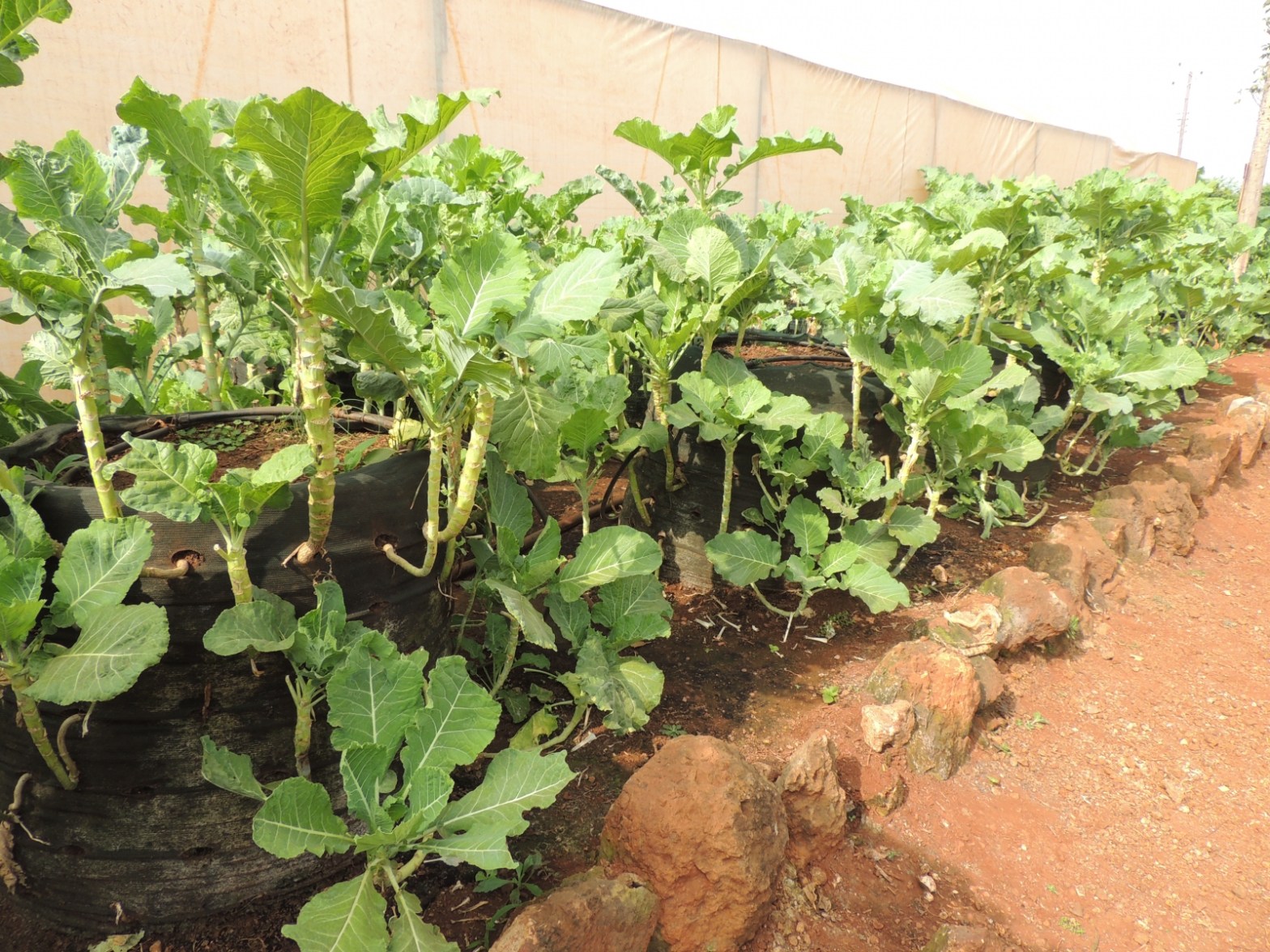
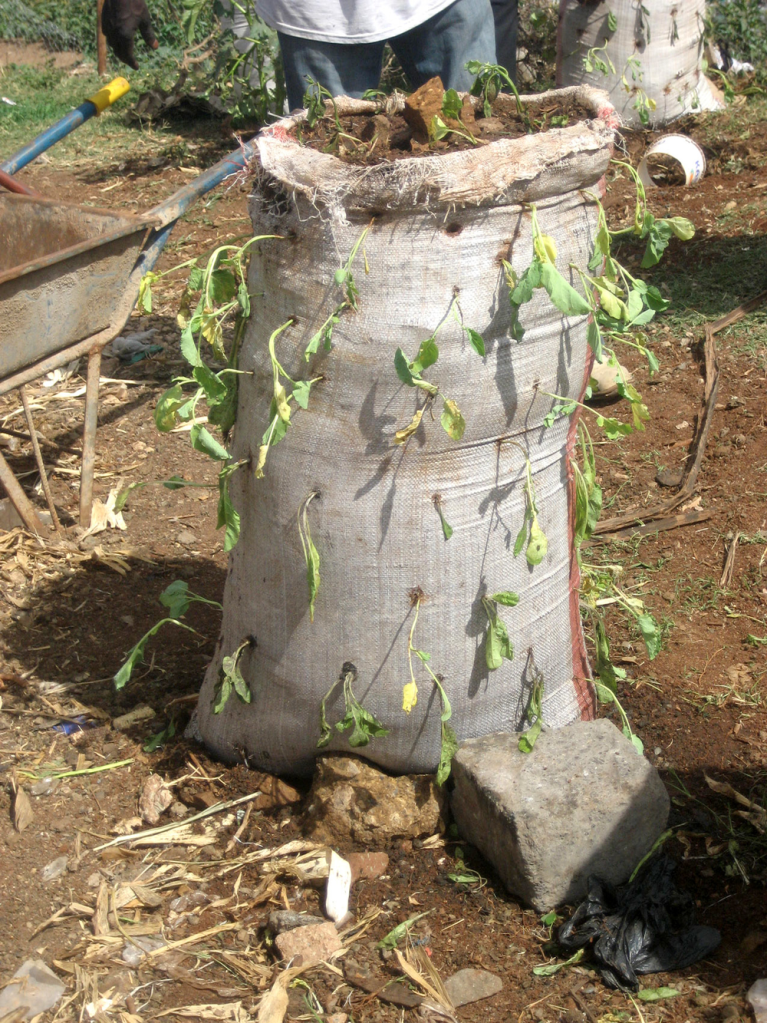
Inhabitants of Nairobi’s informal settlements tackle the food injustices they face with various forms of urban agriculture, amongst all, with urban farming in a sack, as illustrated by the following picture.
Sack farming in Nairobi’s informal settlements. Source: Himberg, 2010
Plants in a sack grow quickly if they are sufficiently cared for and watered. In addition to sacks and soil, the micro gardeners need dung and small stones as sediment to drain the excess water. Once the sacks are prepared, the plant seeds are pressed into the soil at the top and sides. When they germinate, the shoots find their way through the holes drilled in the sides of the sacks on their way to the sun. Residents of Nairobi’s informal settlements grow vegetables and herbs, mainly in sacks, but also in small beds at the railway embankment, on the edge of football fields or in the broken foundations of collapsed houses. This is similar to the “urban gardening” movement in large western cities. With one crucial difference: what fires up the self-catering dreams of hip urbanists in backyard gardens, on traffic islands, wastelands or flat roofs in Berlin, Amsterdam or New York, secures the bare existence in Nairobi’s informal settlements. Have a look at the video below to get some fresh insights into how urban farming looks like in Nairobi’s informal settlements.
A sack, including soil and seeds, costs 15 euros and, depending on the weather, produces a harvest every three to six days. According to the Map Kibera Trust, which promotes the participation of inhabitants in decision-making processes, the planting of sacks generates an additional weekly income of at least five US dollars. This is a lot considering that the average family only has 50 to 100 dollars a month (Gallaher, WinklerPrins, Njenga & Karanja, 2015).
497 words
LITERAL REFERENCES Cobbinah, P. B., Erdiaw-Kwasie, M. O., & Amoateng, P. (2015). Africa’s urbanisation: Implications for sustainable development. Cities, 47, 62-72.
Gallaher, C. M., WinklerPrins, A. M., Njenga, M., & Karanja, N. K. (2015). Creating space: Sack gardening as a livelihood strategy in the Kibera slums of Nairobi, Kenya. Journal of agriculture, food systems, and community development, 5(2), 155-173.






 Urban Political Ecology